Get Full Government Meeting Transcripts, Videos, & Alerts Forever!
Get email alerts on the Appointments topic
No spam. Unsubscribe anytime.
City attorney outlines new state rules for filling council vacancies — interview, rounds of voting and tie‑breakers by lot or coin
Summary
The city attorney briefed council members on recent state statutory changes for filling a council vacancy: interviews, an initial vote, a required culling to two candidates (ties among multiple candidates are broken by drawing names), a second vote, and a coin toss if the second vote results in a 3‑3 tie.
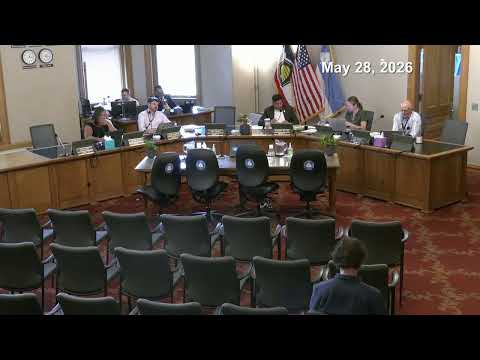
Salt Lake City’s legal staff on May 28 explained new state statutory procedures for filling council vacancies, noting the process now includes a required sequence of steps that can introduce chance into tie situations.
The attorney said the typical flow is: interview all qualified applicants; hold an initial vote among those applicants; if a majority winner emerges, that candidate fills the vacancy. If no majority is reached, statute requires reducing the candidates to two for a final vote. When multiple applicants tie for a position that would advance, the statute requires using a method that gives each tied candidate an equal chance—practically implemented by drawing names from a bowl—to reduce the field to two. If the second round ends in a three‑three tie, the statute calls for a coin toss to decide the appointment.
The attorney explained the process is intended to create a clear, public method for sequential voting and tie‑breaking and that the city’s draft resolution lays out the steps and procedures for candidates and the public to review before council voting.
Council members asked clarifying questions about the lot/drawing method and whether the council needed to decide the exact tie‑break mechanism in advance; the attorney said the resolution proposes drawing names from a bowl for multi‑way ties and that the statute mandates a coin toss for a final 3‑3 tie.
Next steps: the attorney’s office prepared a resolution for the council to adopt that specifies the interview and voting mechanics in accordance with the statute and timelines for vacancy appointments.