Get Full Government Meeting Transcripts, Videos, & Alerts Forever!
Get email alerts on the Agriculture topic
No spam. Unsubscribe anytime.
Lawmaker urges immediate action on fertilizer prices, warns farmers are "really hurting"
Summary
A lawmaker told a legislative committee that rising fertilizer costs and volatile corn prices are crippling farms and urged lawmakers to act now, calling the fertilizer market effectively a monopoly and offering historical price comparisons to underscore urgency.
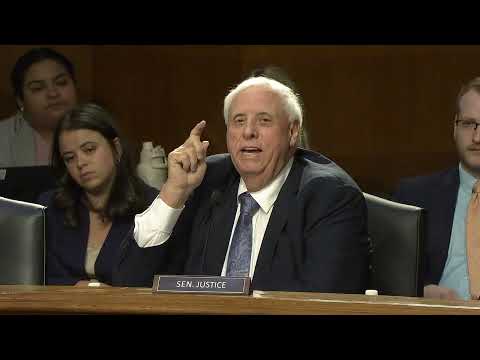
A lawmaker told the legislative committee that farmers are ‘‘really hurting’’ and urged immediate action to address high fertilizer costs and concentrated market power in the industry.
The speaker, identified in the transcript only as a lawmaker, told committee members that constituents were asking what can be done to bring fertilizer prices down and whether international conflicts were worsening conditions for farmers. He said many farmers ‘‘aren’t getting those dollars’’ intended to support agriculture.
The lawmaker cited his own five-decade farming background and business training to frame his appeal, saying he understands the stakes and the numbers. ‘‘You have a colossal problem,’’ he said, arguing that the situation will get worse without legislative movement. ‘‘We have got to move. Move today.’’
He explicitly challenged whether the fertilizer industry wants transparency and characterized the market as ‘‘a monopoly,’’ urging scrutiny of pricing and distribution practices rather than accepting the status quo.
To illustrate the scale of price swings, the lawmaker said corn traded around $7 per bushel in 2022 and fell to about $3 per bushel at the most recent harvest; he added a historical comparison, noting corn prices near $2.50 in President Harry Truman’s era. He used those figures to argue that recent price volatility threatens the viability of farming operations.
The speech included personal references to figures he credited with shaping his agricultural knowledge, including a mention of Dr. Kenneth Wells of the University of Kentucky, and a plea to the committee chairman and members to use their legislative authority to find solutions for producers.
The lawmaker closed by reiterating urgency and asking the committee to act, saying ‘‘these people are really hurting’’ and offering a final blessing to the committee members. The committee’s next steps or any formal direction to staff were not recorded in the transcript.