Get Full Government Meeting Transcripts, Videos, & Alerts Forever!
Get email alerts on the Public Safety topic
No spam. Unsubscribe anytime.
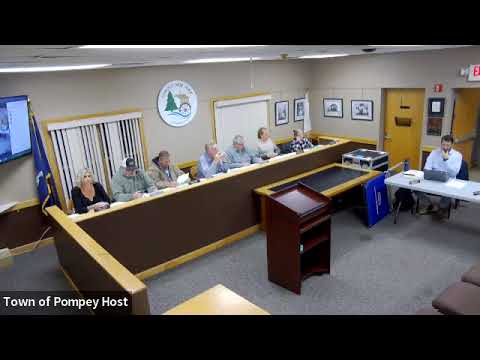
Pompey board, residents criticize 13% fire district assessment rise and question coverage
Summary
Board members and residents criticized a roughly 13% increase in a fire district assessment that they said will burden the town's north end, questioned call volumes and EMS costs, and discussed whether consolidation or a new centralized facility is feasible.
Board members and residents at the Pompey meeting voiced frustration after learning the fire district assessment allocated to the town increased by about 13%, from roughly $820,000 to about $926,000 for the district.
One board member said the increase will weigh most heavily on residents in the north end of town and complained that town officials were not included earlier in the district's budgeting process. "There was no discussion or communication prior to a week before they were finalizing the whole thing," the member said.
Speakers questioned the underlying service levels that justify the increase. One attendee asked bluntly about call volumes and the town's per-call cost: "How many EMS calls did you make in the town of Pompey last year? We don't have that information," another participant said, adding, "Bull crap." A board member said an ambulance ride he experienced cost $900 and noted the district charges fees for some ambulance responses.
Board members discussed structural options such as consolidating departments or building a centralized facility but cautioned such changes would be expensive and logistically difficult. "You would have to build a facility," one member said, noting that a centralized location could require millions in investment and that paid staffing and benefit costs are major cost drivers.
Why it matters: The assessment increase affects property taxpayers in the affected districts and raises questions about cost transparency, intergovernmental coordination and options to control future increases.
The board did not take formal action to change the assessment; members said they will pursue more information from the district and raise the issue with the next board and district leadership.