Get Full Government Meeting Transcripts, Videos, & Alerts Forever!
Get email alerts on the Therapy Dog Program topic
No spam. Unsubscribe anytime.
Elizabethton schools weigh therapy-dog pilot after state pilot data shows attendance and discipline benefits
Summary
At its May meeting the Elizabethton Board of Education heard a presentation proposing a therapy-dog pilot. The family-resource coordinator cited Tennessee Department of Education pilot data showing examples of lower chronic absenteeism and discipline referrals, outlined training, certification and an estimated first-year cost of about $6,000, and said a board policy will be drafted for June.
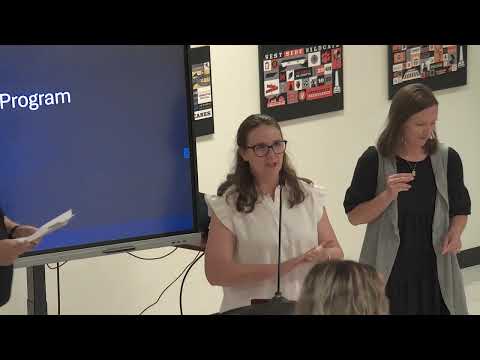
Chelsea Bachmann, who oversees the district family resource center and coordinated school health, told the Elizabethton Board of Education that a therapy-dog program could reduce student stress and improve classroom engagement.
"Therapy dogs in an educational setting does reduce stress and anxiety," Bachmann said during the board's May meeting, citing a Tennessee Department of Education pilot that her presentation summarized. She said pilot districts reported results including a 7% decrease in chronic absenteeism at one school and a 64% decrease in discipline referrals at another.
Bachmann laid out program options the committee has considered: the district could buy and own a dog, adopt from a shelter, or partner with staff who already own certified dogs. She said most districts certify handlers through the Alliance for Therapy Dogs and that certification and background checks are part of the anticipated startup steps.
On costs, Bachmann provided an approximate first-year budget that excludes the purchase price of the dog because the committee has not decided whether to buy or adopt. The estimate includes training, certification, veterinary care, insurance and supplies; Bachmann said the first-year total is roughly $6,000, with recurring annual costs for insurance, certification and basic care. She said the CTE department has offered to cover grooming expenses.
Bachmann described operational details the committee is planning: a single-school pilot with a primary handler and secondary backups, a Skyward opt-out for students with allergies or fears, limits on visits by schedule, and a retirement plan that would assign the dog to the primary handler when service ends. She also described potential fundraising models and community sponsorship approaches used by other districts.
Board members asked practical questions about timelines and logistics. Bachmann said a formal board policy is in the works and that, if the board approves a policy in June, the earliest realistic start would be the following fall after required training and certification timelines are met.
The board did not vote on the program at the meeting; members were asked for initial direction while staff work the policy and funding details.
What happens next: staff plan to bring a draft board policy in June, pursue fundraising options and recommend a pilot site if the board greenlights the program.