Get Full Government Meeting Transcripts, Videos, & Alerts Forever!
Get email alerts on the Home Rule topic
No spam. Unsubscribe anytime.
Resident warns Board of Selectmen that state housing and farmland changes threaten local home rule
Summary
At the Dec. 16 North Stonington Board of Selectmen meeting, resident Lori Hopkins urged the board to oppose House Bill 802 and related farmland changes, arguing they undermine municipal home rule and threaten historic farms; she asked the town to consider a formal objection or charter exploration.
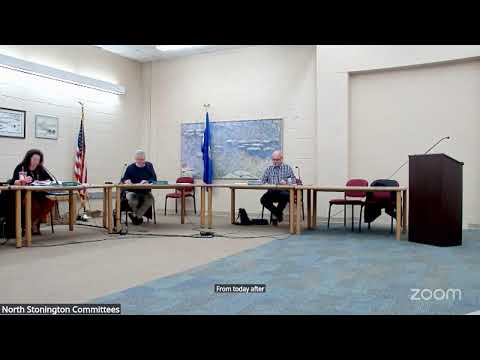
First Selectman Bob Carlson opened the Dec. 16 meeting and introduced a presentation by a resident on state changes to farmland and housing law. Lori Hopkins addressed the board, identifying herself as a resident and founder of the Connecticut Law Initiative, and said recent legislation such as House Bill 802 and changes tied to Public Act 24-70 threaten the town’s local land‑use authority.
Hopkins told the board that “for the first time in our state's history, core land use authority is being removed from municipalities and transferred to regional and administrative bodies that are not locally elected,” and argued that the changes convert recognition of farmland into a system that could require state permission. She framed the issue as constitutional and not partisan, urging the town to protect municipal home rule under Article X of the Connecticut Constitution.
Hopkins proposed concrete steps for the board to consider: placing formal objections to HB 802 in the town record; drafting or adopting a home‑rule resolution reaffirming local zoning authority; and appointing a charter exploratory commission to study stronger municipal protections. She said she would volunteer to serve on such a commission and offered to identify law firms to assist with legally grounded charter options.
Board members and residents asked Hopkins clarifying questions about advocacy groups and legal strategies. A resident asked whether Hopkins was familiar with activist groups such as “169 Strong” and the Connecticut Council of Small Towns; Hopkins said she was familiar with both and described her work as focused on constitutional litigation and tools for towns rather than partisan politics. First Selectman Carlson and others discussed the idea of researching charter options and indicated they would consider next steps at future meetings.
Why it matters: Hopkins framed the discussion around the practical limits of local infrastructure—wells, septic, roads—and the irreversible environmental consequences of decisions made at a regional or state level. The recommendations she offered (formal objections, a resolution, and a charter study) would be procedural steps the board could take to preserve local control; the board did not take a formal vote on those recommendations at this meeting.
The board agreed to leave the matter on the record and to consider the topic again. Hopkins’ materials were entered into the town packet for future discussion; the board indicated follow‑up at an upcoming meeting would be possible.