Get Full Government Meeting Transcripts, Videos, & Alerts Forever!
Get email alerts on the Manager Guidance topic
No spam. Unsubscribe anytime.
Drug control chair walks new pharmacy managers through recordkeeping, diversion prevention and staffing rules
Summary
Chairman DeFazio used the meeting to counsel first-time managers and interns on responsibilities including hours and CES requirements, technician ratios, diversion prevention and prompt reporting of controlled-substance losses (72 hours), and recommended resources such as FDA MedWatch and the Haven Health program.
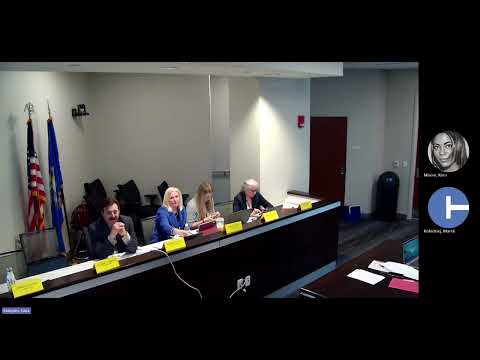
At the meeting the commission dedicated an extended segment to first-time pharmacy managers and interns, with Chairman DeFazio enumerating operational responsibilities and resources.
DeFazio told new managers they are responsible for the licensed pharmacy area and must be present sufficient hours to manage staff; he cited a full-time expectation (35 hours per week) for managers. He reviewed continuing-education requirements — "15 per year" in a calendar year with some law coursework required — and cautioned that waivers are not easily granted.
On staffing, DeFazio discussed technician ratios: a baseline 2:1 pharmacist-to-technician ratio, with higher ratios allowed during flu season (up to 4:1 or 5:1 when technicians are certified). He also previewed a forthcoming "advanced tech" role that could perform higher-skill tasks, potentially including a final check if allowed.
DeFazio emphasized diversion prevention and documentation practices. He described schemes that can be used to divert product (fake recalls, fraudulent wholesalers) and urged managers to understand delivery logistics, to check Prescription Monitoring Programs (PMP) — including for some diabetic products and testing devices — and to report controlled-substance losses promptly (72 hours was cited for reporting). "Make sure you're in accurate and done on a timely basis," he said.
He urged pharmacists to document misfills and complete quality reports; in one example he described a technician confusing two drugs and how a recordkeeping workaround prevented repeats. He also reminded managers to notify drug control when the store will close early so patients can reach their medications and to allow agency agents access once credentials are verified.
The chair recommended signing up for FDA MedWatch alerts for recalls, joining professional associations (Connecticut Pharmacist Association and others) for continuing education and advocacy, and noted the Haven Health program as an anonymous assistance option for pharmacists facing impairment, burnout or substance use.