Get Full Government Meeting Transcripts, Videos, & Alerts Forever!
Get email alerts on the Neighborhood Advisory topic
No spam. Unsubscribe anytime.
Edgewood staff proposes district-based neighborhood advisory groups to boost local input
Summary
Planning and zoning manager Brandon Gilchrist proposed creating voluntary neighborhood advisory groups that would be advisory-only, district-based and low-cost, intended to surface traffic, land-use and maintenance concerns earlier in project planning; commissioners asked for feedback and residents praised the outreach plan.
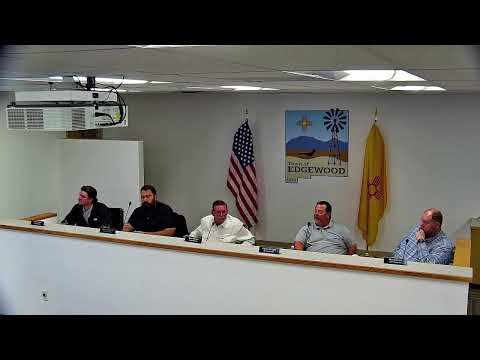
Brandon Gilchrist, Edgewood's planning and zoning manager, introduced a proposal on Feb. 24 to form neighborhood advisory groups that would provide early, district-level resident feedback on traffic, land use, roads and other local concerns.
“These are advisory only. They do not approve projects. They do not deny applications or replace existing boards,” Gilchrist said, describing the groups as voluntary, low-cost and intended to help staff and elected officials understand neighborhood perspectives earlier in the review process.
The proposal calls for each neighborhood group to correspond to a district, with a commissioner representing each group and staff supporting meetings. Gilchrist said the groups would not change decision-making authority but would provide more geographically specific input so the commission and staff can better anticipate how proposals may affect parts of town.
During public comment Sheri Abraham, a resident, asked whether the groups would be organized “by district, by neighborhood” and whether a commissioner would be part of each advisory group or if the groups would communicate through a community liaison. Gilchrist replied that commissioners would represent neighborhood groups within districts and that residents could choose how to communicate with commissioners.
Resident Gene de Marty welcomed the emphasis on resident engagement, saying he had been “waiting for someone to think about how to bring in the actual residents and citizens instead of real estate developers, builders, business owners.”
Staff said participation would be flexible and intended to reduce later conflicts by surfacing issues early. Gilchrist said the immediate goal of the Feb. 24 workshop was to get commissioners' and the public's feedback so staff can refine the proposal; no program approval was sought that night.
Next steps: staff will gather feedback from commissioners and the public, revise the program design, and return with a more developed proposal and implementation options for future consideration.