Get Full Government Meeting Transcripts, Videos, & Alerts Forever!
Get email alerts on the Illegal Weapons topic
No spam. Unsubscribe anytime.
Presenter says falling costs of 3D printing are lowering barriers to illicit weapons, cites United Nations member-state process
Summary
A presenter said weapons used in conflicts often remain uncontrolled and that falling costs for technologies such as 3D printing are lowering barriers to producing illegal weapons, increasing concern among states and prompting member-state commitments through a United Nations process.
A presenter told the transcript that weapons used in a war or conflict often remain uncontrolled after hostilities end and continue to circulate, sometimes causing violent death. "A war or conflict ends, unfortunately, weapons that are used would not be under full control," the presenter said.
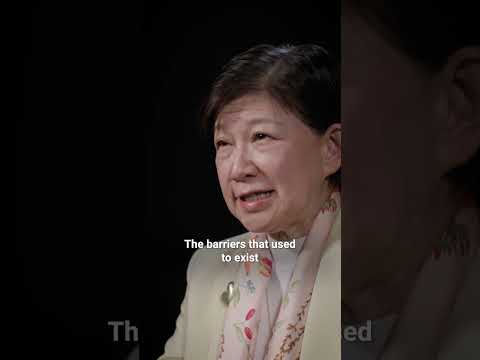
The presenter said advances in technology — and in particular falling costs for 3D printing — are making it easier to produce weapons. "Technologies are really advancing. The 3D printing machines and facilities are also becoming less and less expensive," the presenter said, adding that "the barriers that used to exist in terms of producing those illegal weapons actually getting lower." The statement described that trend as "an increasing concern of many states."
The presenter linked those risks to international diplomatic work, saying United Nations member states use a politically oriented process to identify challenges and make commitments. "In order to tackle this, UN member states have this a very important politically binding process. Member states gather and identify key challenges, and then make commitments to tackling those really difficult challenges," the presenter said.
The transcript does not include a speaker name or a date for the remarks, and it records a musical cue after the statement. The record contains no formal motions, votes, or detailed policy proposals; it reports a descriptive overview of the risks posed by diffusion of manufacturing technologies and a reference to member-state commitments at the United Nations.