Get Full Government Meeting Transcripts, Videos, & Alerts Forever!
Get email alerts on the Fleet Management topic
No spam. Unsubscribe anytime.
Public works flags fleet pressures: rising equipment prices, fuel and planned vehicle replacements
Summary
The department told the board it budgeted $1.5 million for vehicle replacements this year and flagged rising heavy-equipment prices, increased fuel costs and contingency management as constraints on fleet renewal and operations.
Cochise County public works told supervisors that fleet and equipment costs — including steep increases in heavy-equipment prices and elevated fuel costs — are squeezing operations and shaping the county’s replacement plans.
Public Works Director Jason Fosio said the county budgeted about $1.5 million to replace light vehicles this year, with 20 vehicles slated for purchase and several pool vehicles to be rotated into service. He said a sheriff’s grant supplied 10 trucks last year, reducing the county’s planned purchases. The board discussed vehicle utilization, the county’s approach to replacing older high-mileage vehicles and the possibility of using auctions to remove surplus units.
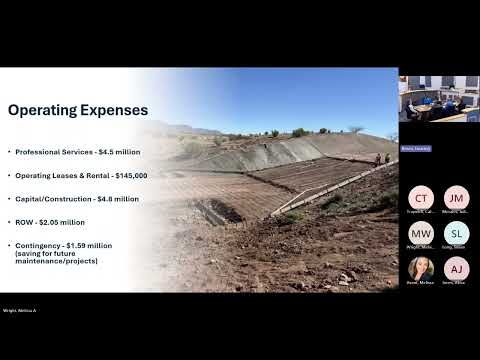
Supervisors and staff also described a marked rise in heavy-equipment prices over recent years — graders and other heavy iron that previously cost around $180,000 were quoted by supervisors at prices up to $425,000 — and the team attributed part of that to steel/commodity price swings and constrained supplier markets. Fosio said the heavy-fleet capital plan anticipates buying major items (motor graders, dump trucks, transport truck) and maintaining a contingency to manage replacement timing.
Fuel costs were raised as an acute pressure: staff said diesel price assumptions peaked in contingency planning scenarios that budgeted a risk price point (e.g., $4.50 per gallon) and actual county fuel purchase prices had been volatile. The board discussed strategies such as a temporary replacement 'holiday' for departments to let contingency draw down and to evaluate how much equipment must be replaced next cycle.
Why it matters: Vehicle and heavy-equipment purchases are capital-intensive and directly influence the county’s ability to maintain roads and solid-waste operations. Sudden commodity-driven price increases and fuel volatility can force the county to delay replacements or shift funds between protected revenue lines.
Next steps: Staff will continue to evaluate replacement timing, consider used/refurbished equipment where appropriate and report back with recommendations for heavy-fleet purchases and contingency use in the next budget review.