Get Full Government Meeting Transcripts, Videos, & Alerts Forever!
Get email alerts on the Local Budget topic
No spam. Unsubscribe anytime.
Supervisor: 50% drop in vehicle-license revenue squeezes Cochise County road budget
Summary
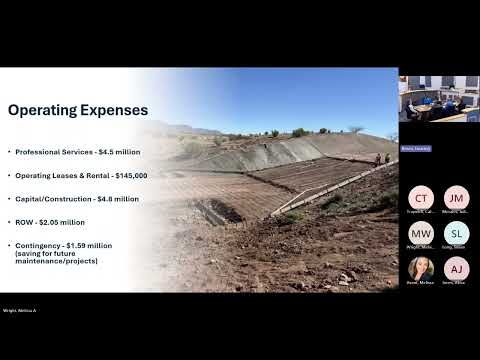
Public works director Jason Fosio told the Board of Supervisors that vehicle-license (VT) revenue projections were cut by about $1.5 million, leaving the county with roughly half of a previously built contingency and squeezing funds for road maintenance and repairs.
Jason Fosio, Cochise County public works director, told the Board of Supervisors at a May 28 work session that the county’s vehicle-license tax revenue has been revised downward to about $1.2 million after a state notification reduced earlier projections by roughly $1.5 million. “We were recently told that we needed to reduce that number by about 1.5,” Fosio said during the highways and operations budget review.
Supervisors said the revision represents about a 50% cut from prior estimates and warned it will directly affect road maintenance. One supervisor said the decline is “a canary in the coal mine” and that “50% decline in VT. That is bad. Very bad,” emphasizing the impact on contingency reserves that had been built up to manage shortfalls.
The drop in VT — a state-administered tax based on vehicle registrations and assessed value — prompted discussion about possible causes: fewer new vehicle purchases, changes in registration locations, or an actual decline in population. Fosio noted the county’s contingency balance fell from about $3 million toward roughly $1.5 million as a result of the revision.
Fosio described how VT revenue is calculated and said the county is reviewing related lines in the highways budget. He also pointed to inflationary pressures — higher fuel and materials costs — that together reduce the net purchasing power of the funds that remain for road repairs and fleet maintenance.
Why it matters: Cochise County uses VT and other highway revenues to fund road materials, repair crews and capital replacements. Supervisors said the sudden reduction will limit near-term paving and maintenance and is a central part of rationale they plan to present if they ask voters to adjust the county’s expenditure limit in a future ballot measure.
Next steps: Board members asked staff to prepare clearer visual comparisons showing last year’s dollars, current dollars and percentage deltas so the public can see how revenue declines and inflation combine to shrink road-maintenance capacity. The board also discussed that the VT change bolsters the need to include these data when describing any future request to modify the county’s expenditure limits.