Get Full Government Meeting Transcripts, Videos, & Alerts Forever!
Get email alerts on the District Goals topic
No spam. Unsubscribe anytime.
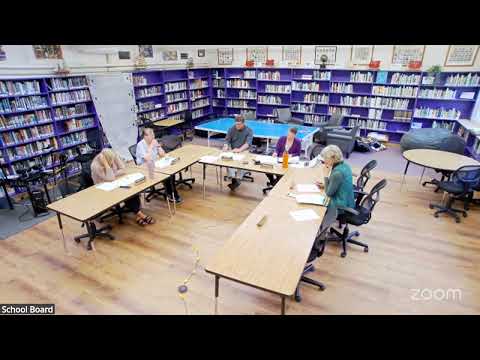
Port Orford‑Langlois School District work session refines goals, adds long‑range facilities planning and bond timetable
Summary
At a late‑May work session, the Port Orford‑Langlois School District revised draft goals to emphasize student growth, professional development and community partnerships, and added a long‑range facilities goal with a targeted October–November decision point on whether to pursue a bond.
At a late‑May work session, the Port Orford‑Langlois School District reviewed and revised its draft district goals, sharpening language on student growth and professional development and adding an explicit long‑range facilities and bond‑planning goal.
Board members said the district should move from proficiency targets toward measures of longitudinal student growth to show that all students are making progress. Board members agreed to change the draft wording about assessments (removing “district adopted” assessments) and to measure progress through multiple tools, including state testing and interim diagnostics. The board’s working wording recorded in the meeting was: “The district will provide high quality instruction to impact student achievement.”
Members discussed whether the workforce and recruitment goal should be a top priority. Several board members said national and state hiring pressures make rapid change in applicant pools unlikely and suggested treating workforce development as a longer‑term target or a supporting bullet under instruction and professional development rather than the district’s primary short‑term focus. The board emphasized including instructional assistants in professional‑development pathways so those staff contribute to instructional quality and continuity across K–12.
The board added a separate long‑range facilities planning goal to the draft, saying district priorities should include: creating a prioritized list of short‑ and long‑term facility needs, estimating funding options, and testing the community’s appetite for a bond. Members asked staff to use existing facility assessments and community input to develop a clear priority list and to present a draft at the June board meeting. The superintendent said staff would aim to have community engagement and consultant input over the summer and seek a decision on whether to move forward with a May bond proposal in October–November.
Board members also agreed to a more frequent reporting cadence. The superintendent said she would embed quarterly data updates and goal progress into superintendent reports and data workshops so the board can monitor both implementation and student growth metrics.
No formal policy was adopted at the work session; staff were directed to draft a clean goals document incorporating the agreed word changes, expected results, and timelines for review at the June meeting and to continue community engagement on facilities and funding options before any formal bond decision.
What’s next: staff will prepare a drafted goals document for the June board meeting, run community engagement on facilities priorities this summer, and return with a recommendation that would allow the board to decide by October–November whether to place a bond on a May ballot.