Get Full Government Meeting Transcripts, Videos, & Alerts Forever!
Get email alerts on the Land Use Religious Institutions topic
No spam. Unsubscribe anytime.
Council advances ordinance to broaden accessory uses at houses of worship
Summary
Council members described a proposed amendment to Chapter 190 to align local law with the state Religious Institution Land Use and Planning Act, allowing customary accessory uses—such as daycare, adult day programs and educational uses—so houses of worship can make greater use of underutilized space.
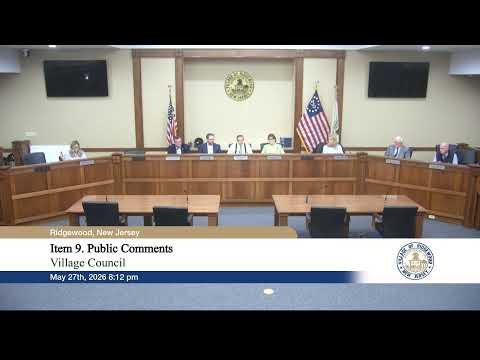
Ridgewood — The Village Council discussed proposed changes to the land-use code on May 27 that would expand permitted accessory uses at houses of worship to align with state statute and local practice.
Councilmember Matt explained the proposal as an effort to bring the local ordinance into conformity with the Religious Institution Land Use and Planning Act and to allow religious institutions to undertake “customary, incidental and subordinate” activities that support their mission and finances. “This allows our houses of worship to potentially monetize some of that space, which is a lifeline for those houses of worship,” Matt said.
Council members said the amendment is intended to permit activities that are typical and subordinate to the primary religious use, not to change the primary function of a site. Examples in discussion included daycare programs, adult daycare and school uses, which council members said would help institutions manage costs and continue to provide local services.
Supporters emphasized constraints in the draft ordinance intended to prevent unrelated commercial uses. “No church is going to open up a used car lot,” one council member said during discussion, summarizing the intent to limit permitted activities to those that are customary to religious institutions.
Councilmembers also noted prior outreach with clergy and that the ordinance is the product of multiple discussions through the ordinance working group. The measure was discussed broadly and councilmembers indicated they will bring the formal ordinance forward for a subsequent work session or public meeting where members can vote.
Next steps: the ordinance will return for formal consideration and public comment at the next scheduled council session.