Get Full Government Meeting Transcripts, Videos, & Alerts Forever!
Get email alerts on the Unsafe Building topic
No spam. Unsubscribe anytime.
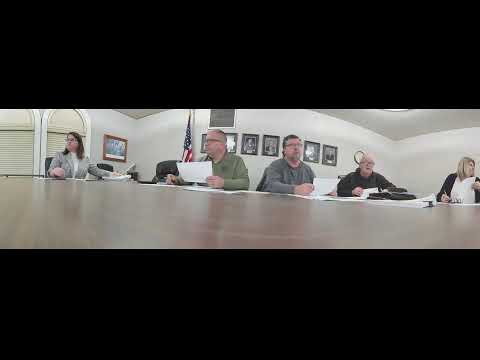
Attica board deems three adjacent Perry Street buildings unsafe, orders inspections and repairs
Summary
At a meeting of the Attica Board of Works and Safety, building inspector Eric Swank described major exterior cracking, collapsed floors and other deterioration at 208 and 210–212 South Perry Street; the board admitted photographic evidence, found service had been effected on owners and voted to declare the structures unsafe and require access for interior inspection.
At a meeting of the Attica Board of Works and Safety, the board voted to declare three adjacent downtown buildings on South Perry Street unsafe and ordered owners to address specified structural and safety deficiencies.
Building inspector Eric Swank told the board he inspected the exteriors and submitted photographs showing a substantial crack running from the roof peak down the south face of the taller, three‑story structure at 208 South Perry Street, deteriorated mortar and brick, rotted window framing, and an open hole at an entrance stairwell that needs boarding. For the adjacent lower two‑story structure at 210–212 South Perry Street, Swank said the building is vacant and that the rear floor appears to have caved in, with visible trash and overgrown vegetation creating fire and safety risks.
The board admitted photographic exhibits into the record and confirmed, from the front of the orders, that the Warren County Sheriff’s Office had served the owners. After receiving Swank’s testimony that the properties “could be” dangerous to persons or property because of code violations and that the exterior defects suggested interior problems may exist, the board voted to deem the properties unsafe and discussed a short review timetable to monitor compliance.
The board asked staff to include requirements in the formal order for the owners to provide access so inspectors can evaluate interior structural conditions and to address a punch list of items identified by the inspector. A review was scheduled at an earlier meeting date rather than extending an additional long compliance window; the board indicated it wants follow‑up at the next available meeting in April or to revisit at the first meeting in May if circumstances require.
The board’s action was procedural: photographic exhibits were admitted, orders were confirmed as served, and the formal unsafe‑building declarations were approved by voice vote. The board did not order demolition at the meeting; members said additional interior inspection and documentation are needed before the city decides whether repair or demolition is appropriate.
What happens next: the owners will receive the formal order (the served document includes the required notification language and a request for access), staff will attempt interior inspections once access is provided, and the board will revisit the matter at the next scheduled review date to determine compliance or further action.