Get Full Government Meeting Transcripts, Videos, & Alerts Forever!
Get email alerts on the Zoning Rewrite topic
No spam. Unsubscribe anytime.
Staff outlines plan to loosen LM uses, require traffic studies and study GCC-1/Airbnb rules
Summary
City planning staff presented draft changes to the Light Manufacturing (LM) zoning to add modern employment uses, apply the expansion to parcels two acres or larger, and require a traffic study for projects over 20,000 square feet; council debated buffers, conditional uses and separate short-term-rental rules for GCC-1 downtown areas.
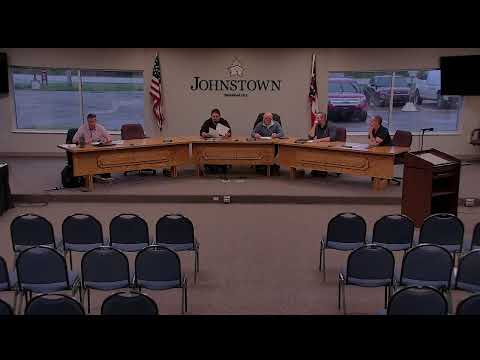
City planning staff presented proposed amendments to the Light Manufacturing (LM) zoning district and related site and design standards during a council work session, saying the draft aims to align zoning text with the 2024 comprehensive plan and make existing LM parcels more marketable for modern light-industrial and employment uses.
Trevor, the staff presenter, said the proposal would expand allowable uses for LM parcels two acres or larger with frontage on US-62 Commerce Boulevard or Greenscape Court, adding uses such as automobile and equipment repair, graphic printing, upholstery, laboratories (moved from conditional to allowed), machine shops, woodworking and limited wholesale/showroom functions. He said a key protective requirement would be that all LM activities be conducted wholly inside enclosed buildings and that outdoor storage, mechanical equipment and dumpsters be screened and set back from streets and residential edges.
Staff also proposed a traffic-study requirement for any new development or change of use over 20,000 square feet; the study would be performed by a licensed engineer and evaluate daily and peak-hour traffic and intersections within a half-mile, with Commerce and Main Street intersections specifically called out as recurring review points. Trevor said mitigation options could range from turn-lane construction to signalization and recommended developer/city cost-sharing agreements when major intersection work is necessary.
Councilors raised several concerns: potential traffic impacts from unlocking large parcels, the suitability of certain uses next to residential areas, the need to keep higher-impact activities (for example meat processing or heavy-equipment rental) as conditional uses with tailored conditions, and how to balance unlocking existing industrial buildings against limiting future high-traffic uses. Several council members praised the targeted approach of applying changes to larger parcels along Commerce Boulevard and recommended additional refinements and conditional-use safeguards where traffic or neighborhood compatibility could be problematic.
The session also shifted to the GCC-1 (general commercial) district and short-term rentals after staff noted enforcement problems with workforce-style short-term rentals in residential neighborhoods. Councilors discussed keeping first-floor storefronts downtown while allowing upstairs short-term rentals, considering expanded shared or satellite parking radii and possibly creating parking overlays or a revised parking standard for downtown. Staff recommended exploring model ordinances and legal review for short-term-rental enforcement, and council asked for additional research and a return briefing with proposed ordinance language and parking-study data.
No zoning amendments were adopted during the meeting; staff will refine the draft, seek design-review-board feedback, run legal review for code language and return to council with updates. Council asked staff to research numeric thresholds (two-acre and 20,000-square-foot triggers), draft conditional-use language for higher-risk activities, and provide parking and enforcement options for short-term rentals.