Get Full Government Meeting Transcripts, Videos, & Alerts Forever!
Get email alerts on the Agriculture Pesticides topic
No spam. Unsubscribe anytime.
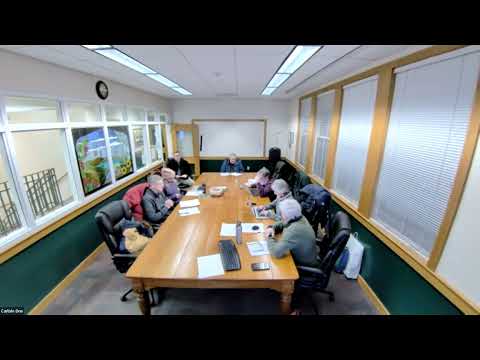
Carlisle land steward committee presses farmer on treated seed; votes to research reporting and ask ConCom for guidance
Summary
At its meeting the Land Stewardship Committee questioned a farmer about whether his corn seed is treated with insecticidal coatings and voted to research seed‑treatment disclosure and forward findings to the Conservation Commission for deliberation. The decision followed a heated exchange about disclosure, science and local authority.
The Land Stewardship Committee on Tuesday pressed a local farmer, identified in the record as Mark, about whether corn seed used on town conservation land contains insecticidal seed coatings and voted to research treated‑seed reporting and forward the committee’s questions to the Conservation Commission.
The committee chair, Brian Murphy, opened the farmer reports session and asked directly whether the seed Mark planned to plant this year was treated. Mark responded that he “buys what is approved for use in Massachusetts” and does not personally treat seed.
The exchange escalated after several members said the answer was unclear. Committee member Warren Lineman said, “We’re not being given a straight answer,” and urged that future licenses prohibit insecticidal seed treatments unless the farmer could show yield benefits from treated seed. Warren said he would require crop‑level evidence before approving insecticide use on conservation land.
Mark defended his practices as following integrated pest management (IPM) and state approvals. “I rely on the experts,” he told the committee, adding that he uses seed sold and approved for Massachusetts and that he follows IPM recommendations.
After extended debate, the committee voted to direct the LSC to research treated‑seed products and reporting practices, prepare findings and forward those materials and questions to the Conservation Commission for deliberation. The motion passed by roll call with a majority in favor.
Members emphasized the narrow scope of the action: the committee asked only for research and recommended that reporting be considered in future licensing, not that any immediate ban be adopted. Adam, Chris and Alex recorded opposing or hesitant votes during the roll call; proponents said the request would supply ConCom with information for a town‑level decision if needed.
What happens next: The LSC will gather publicly available information about seed treatments—what is typically listed on seed labels, what farmers are required to report under state guidance, and where municipal reporting differs by state—and forward a summary to the Conservation Commission for its review. The committee said it intends the work to inform future license forms and public discussion, not to penalize farmers retroactively.
Why it matters: The debate centers on whether seed‑applied systemic insecticides—substances that some studies tie to risks for pollinators—should be identified explicitly in conservation‑land license forms and whether local bodies should add disclosure requirements above state rules. The exchange underlined tensions between following state agricultural approvals and exercising local stewardship responsibilities for conservation land.
Action recorded: LSC motion to research treated/coded seed reporting and forward findings to ConCom for deliberation; motion passed by roll call (majority yes; not unanimous).