Get Full Government Meeting Transcripts, Videos, & Alerts Forever!
Get email alerts on the Service Funding topic
No spam. Unsubscribe anytime.
City budget cut halts Shower of Hope service; CILA keeps Echo Park showers running with donor support
Summary
CILA staff said the Shower of Hope mobile-shower program paused after city budget cuts; CILA used donor funds to temporarily continue showers at its Echo Park program while urging a future city budget reassessment.
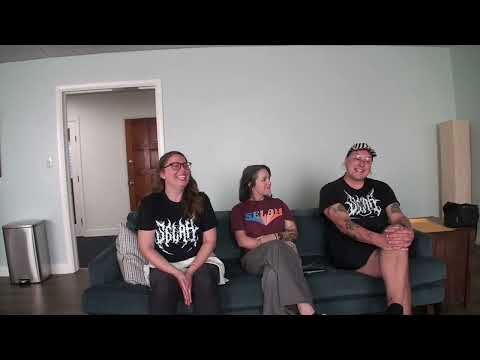
During a conversation at Silver Lake Community Church on Oct. 11, 2025, Sarah Reyes, executive director of CILA, described how municipal budget decisions affected a core hygiene service in the coalition's programs. "The showers are done in partnership ... with Shower of Hope which receives funding from the city. So ... when the city budget cut showers, Shower of Hope lost funding, which means they could no longer provide showers," Reyes said.
Reyes told the interviewers that CILA was fortunate to find a private donor who raised money to keep the Echo Park mobile shower program operating for the moment. She said that, until the city reconsiders funding in the next budget cycle, Echo Park may be the last mobile shower in the city tied to that model.
Panelists emphasized that the loss of city-funded Shower of Hope capacity creates gaps in basic hygiene services that carry downstream impacts for health and access to housing referrals. They described the temporary donor support as a stopgap rather than a permanent fix and said CILA hoped neighborhood councils and city discretionary funds might be options to sustain services while the city reassesses funding priorities.
The discussion framed the shower program as one example of how shifts in city and federal resource flows increase operational strain on neighborhood providers. Reyes urged continued attention from local funders and city policymakers to preserve basic hygiene and referral services for people experiencing homelessness.