Get Full Government Meeting Transcripts, Videos, & Alerts Forever!
Get email alerts on the Midwifery topic
No spam. Unsubscribe anytime.
Midwives tell committee they attend a small but steady number of home births; midwifery licensure options differ
Summary
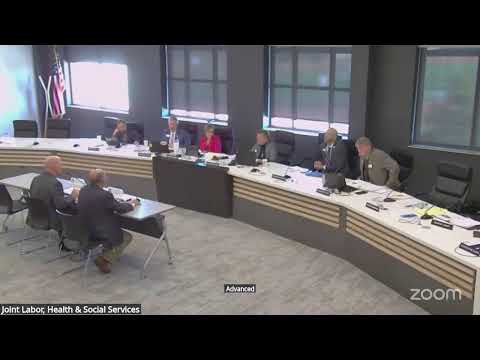
Board members and midwives testified that certified professional midwives (CPMs) and certified nurse midwives (CNMs) both provide access in Wyoming; witnesses reported 26 certified midwives statewide, about 40% with Wyoming residences, and 202 recorded home births in 2024, and urged clearer state policy and engagement with midwifery organizations.
Marie Adams (board member and practicing certified professional midwife) and Carlos Gomez (executive director, Board of Midwifery) told the committee that certified professional midwives in Wyoming focus on physiological pregnancy, birth and postpartum care and provide community‑based alternatives to hospital birth.
Adams said licensed certified professional midwives specialize in normal pregnancy and early postpartum care and are prepared to triage to higher‑level care when needed. Gomez gave a statewide count: "Currently, there are 26 certified midwives in the state of Wyoming; about 40% are in‑state residents," and he reported 202 home births in 2024.
Differences in training and oversight: Witnesses explained the regulatory and educational differences between certified nurse midwives (APRNs who hold advanced nursing degrees and national certification) and certified professional midwives (education and certification through midwifery accreditation pathways). The board member urged the committee to invite a broader set of midwives to testify in future hearings and to identify policy steps to expand safe options for low‑risk births.
Policy asks and follow up: Representatives asked what policies in other states (for example, Utah’s approach) contributed to higher home‑birth rates; witnesses pointed to differences in scope and regulatory regimes, availability of birth centers and cultural norms. The committee requested additional material on licensing standards, training providers in neighboring programs, and whether state programs should encourage midwifery integration with public‑health services.