Get Full Government Meeting Transcripts, Videos, & Alerts Forever!
Get email alerts on the Literacy topic
No spam. Unsubscribe anytime.
Missisquoi Valley reports strong spring reading gains; district exceeds literacy goal
Summary
District administrators said spring IRLA results show 62.5% of students are proficient after two years using the ARC curriculum, surpassing a 55% goal; presenters highlighted cohort growth, a plan to reduce emergency-level readers and summer tutoring to limit the 'summer slide.'
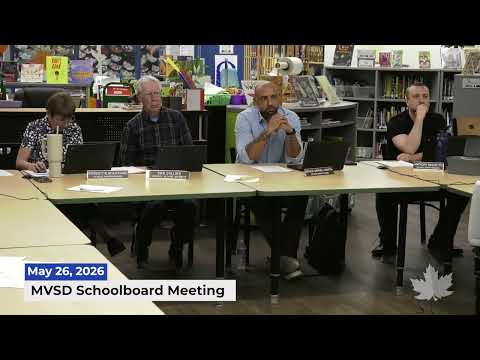
Missisquoi Valley School District #89 administrators reported substantial spring gains in early literacy on May 27, saying the district now has 62.5% of students at grade-level reading proficiency, surpassing a spring target of 55% set in the fall.
Deb Boucher, a district literacy coach, and Pam Hancock, who described the district’s ARC (American Reading Company) literacy implementation, told the board that fall IRLA (Independent Reading Level Assessment) baselines showed 25.8% of students at proficiency and that concerted tiered instruction and intervention work helped move many students this year. "We set a goal to get to 55% and right now we're at 62.5%," Boucher said. "We've also reduced emergency-level readers to about 18.3% and moved students up across cohorts." (Deb Boucher, literacy coach.)
The presentation included cohort-by-cohort comparisons showing measurable year-over-year movement: presenters said the district moved 37 students into proficiency in one cohort and reduced the counts in the "emergency" band in several grades. Pam Hancock explained the data system (School PACE) used to store IRLA scores and to coordinate teacher and interventionist work across tiers. "Teachers, interventionists and special education staff all log into School PACE so everyone can see power goals and evidence," Hancock said. (Pam Hancock, literacy coach.)
Board members pressed administrators about the well-known "summer slide." Peter Magnet noted gains during the school year often erode over summer and asked what the district will do to sustain progress. Administrators pointed to targeted summer tutoring, ESY placements and strategic home-reading supports — including short, grade-targeted video lessons and book giveaways — as their primary tactics. They said summer programming will prioritize students in the K→1, 1→2 and 2→3 transition bands.
Administrators also described classroom routines tied to ARC: two hours of daily literacy blocks for K–6, plus a separate 30-minute "WIN" period (What I Need) for targeted tier 2 and 3 instruction. The district said it has engaged ARC coaches for in-class support and is building writing instruction into the framework next year. "We want to keep working on reducing emergency-level readers and continue family engagement so kids come back ready to learn," Boucher said.
Why it matters: Reading proficiency is foundational for success across subjects; the board heard data showing districtwide growth that administrators said justifies continuing ARC and increasing summer and tiered interventions. The board did not take formal action on the literacy program at the meeting; administrators said full end-of-year results will be included in upcoming written reports and discussed again at the June meeting.
Next steps: Administrators plan to finalize end-of-year IRLA data when spring testing completes, continue summer-targeted tutoring for identified students, and present refined action steps at the June 16 board meeting.