Get Full Government Meeting Transcripts, Videos, & Alerts Forever!
Get email alerts on the Animal Policy topic
No spam. Unsubscribe anytime.
Heated public comment in Owego as trustees consider banning roosters
Summary
A proposed ban on roosters prompted lengthy public comment at the Owego Board meeting, with backyard keepers defending chickens for food and hobby reasons and others urging enforcement of existing noise and health codes instead of a new ban.
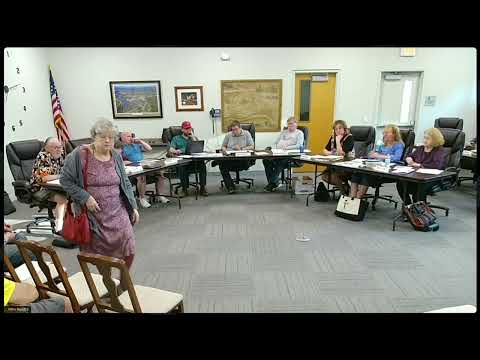
Public comment at the Village of Owego's trustees meeting focused heavily on a proposed rule affecting roosters and backyard chicken keeping, producing a sustained, often heated exchange between residents and trustees.
Several residents urged the board to ban roosters. One resident who compiled municipal research cited bans or strict restrictions in nearby municipalities and urged the village to take the same step. Others testified that neighboring towns explicitly prohibit roosters in residential districts.
Opponents of a ban stressed the personal and community benefits of backyard chickens: local residents described raising chickens as a source of fresh food, an affordable hobby for retirees, part of youth agricultural programs (4-H, FFA, Girl Scouts), and a contribution to local food pantries. "When stores were hiking up their cost, I was still at $4," said Dylan Ron Paul, who described donating dozens of local eggs to local ministries and said banning roosters would undermine food resilience.
Several speakers and at least one trustee pressed for documented complaints before adopting a ban. Doug Weeks (who spoke to the board) and others said they found no formal, written complaints in code-enforcement or police files; several residents noted that the village code sets out a process for filing and documenting complaints. Trustee discussion suggested a preference among some trustees to refine draft language, consider age-based exemptions or time-limited rules for young birds, and to rely on reactive enforcement tied to documented complaints rather than proactive searches.
The board did not adopt a new ordinance at the meeting; trustees scheduled follow-up work and asked staff to prepare revised language for future consideration. Several residents said they had filed Freedom of Information requests seeking any complaint records; one resident reported that FOIL returned two letters (one resolved and one anonymous).