Get Full Government Meeting Transcripts, Videos, & Alerts Forever!
Get email alerts on the Zoning Ordinance topic
No spam. Unsubscribe anytime.
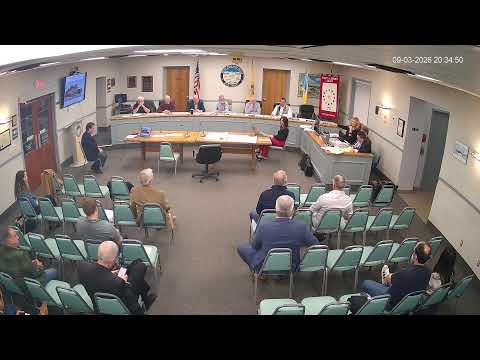
Planning board discusses ordinance to permit pergolas and gazebos in residential districts
Summary
The Point Pleasant Beach Planning Board reviewed a proposed ordinance to explicitly permit pergolas and gazebos in residential zones, with the presenter saying it aligns with the 2021 master plan and establishing standards for height, setbacks and coverage.
A presenter told the Point Pleasant Beach Planning Board on March 9, 2026, that a proposed ordinance would add pergolas and gazebos to the list of permitted accessory structures in the borough’s residential zoning districts and set standards for their installation.
The presenter said the ordinance makes explicit what accessory uses already permit — private pools, utility sheds, off‑street parking and garages — and would allow pergolas and gazebos while applying existing bulk standards such as setbacks, building coverage and impervious coverage. “This ordinance…allows for gazebos and pergolas as permitted accessory structures in, I think, all of the residential districts and applies certain standards to those,” the presenter said.
Board members pressed for clarifications, asking whether the new structures must meet the same setback and coverage requirements as other accessory buildings and whether floodplain mitigation or permit requirements would apply. The presenter confirmed they must meet setbacks and the ordinance does not override other bulk or floodplain mitigation rules; he noted that being able to buy a gazebo off the shelf does not mean it can be erected by right without permitting.
The exchange emphasized that the ordinance codifies existing practice and adds tailored language for pergolas and gazebos rather than creating new exemptions. The presenter referenced the borough’s 2021 master plan, saying that plan recommends evaluation of accessory structures and that the ordinance is consistent with that guidance.
The board did not take a final adoption vote on the ordinance at the March 9 meeting; discussion concluded with board members’ questions addressed and the presenter’s recommendation that the board recommend adoption to the appropriate legislative body.