Get Full Government Meeting Transcripts, Videos, & Alerts Forever!
Get email alerts on the International Security topic
No spam. Unsubscribe anytime.
Romania tells U.N. Security Council a drone struck Galați, injuring two; urges diplomatic pressure on Russia
Summary
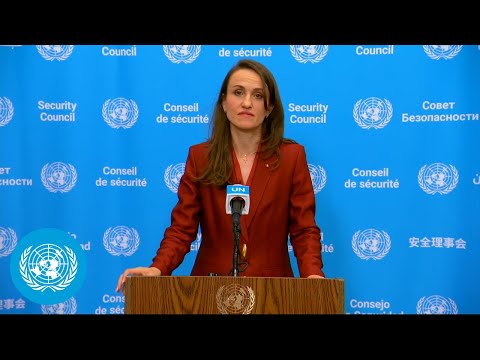
A Romanian representative told reporters after a U.N. Security Council meeting that a drone entered Romanian airspace on the night of May 28–29, injuring a mother and child in Galați. Romania presented technical analysis saying the drone was Russian-made and asked the council to increase diplomatic pressure on Russia.
A Romanian government representative told reporters after a United Nations Security Council session that a drone entered Romanian airspace on the night of May 28–29 and injured two people in Galați.
The representative said the injured were a mother and child who are now out of danger and described the incident as "a blatant violation of international law" and an unprovoked risk to Romanian citizens. "We have considered this a blatant violation of international law," the official said.
Romania presented technical analysis it said indicates the device was Russian-made. "It was a Russianmade drone gan 2," the representative said, citing technical specifics and chemical analysis announced publicly by President Nikushdan.
The official said 56 countries and entities co-signed a joint statement presented alongside Romania's remarks and framed that list as a sign of international solidarity. "This has happened in less than 48 hours," the representative said, thanking Romanian diplomats and international partners for rapid coordination.
Responding to a question from a France 24 reporter about what action Romania wants from the Security Council, the representative said the council offers wide legitimacy for discussion and urged that its deliberations translate into increased diplomatic pressure to bring Russia to negotiations. The official added that the international community must not allow such violations to become "the new normal."
When asked why more U.N. members did not co-sign the statement, the representative said the speed of diplomatic work produced the joint text and that public expressions of support outside the co-signature list should not be discounted.
The representative characterized Russian statements during the session as attempts to distance Moscow from responsibility for the incident and said that framing—portraying Romania's request as driven by Western countries—was "surprising," given Eastern Europe's experience of regional risks. The speaker pointed to past diplomatic efforts that helped reopen export routes from the Black Sea during the war in Ukraine as an example of successful coordination and suggested similar approaches might be relevant to other maritime chokepoints.
The Security Council discussion did not, in the transcript, record a formal vote or binding action; the Romanian representative framed the session as a diplomatic appeal and asked the council to increase pressure to prevent further harm to civilians. The representative closed by reiterating the priority of seeking a peaceful solution to the conflict in Ukraine and thanking partners for their solidarity.