Get Full Government Meeting Transcripts, Videos, & Alerts Forever!
Get email alerts on the Education Budget topic
No spam. Unsubscribe anytime.
Scarboro board advances $76.4 million FY27 budget in first reading, flags rising special‑education and insurance costs
Summary
The Scarboro School Board heard a first‑reading presentation of the FY27 budget March 19, 2026, and unanimously advanced the leadership council’s proposal. Staff said personnel (81.1% of the budget), Anthem health‑insurance estimates and growing special‑education needs are the largest cost drivers.
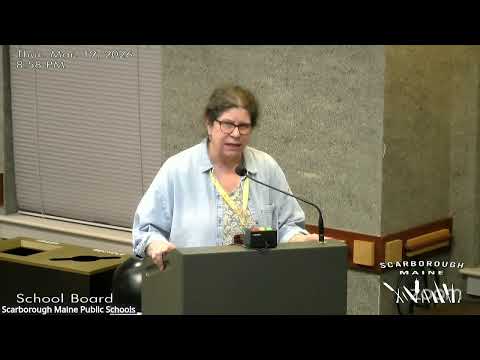
The Scarboro School Board on March 19 advanced the leadership council’s FY27 budget proposal in a unanimous first‑reading vote, following a detailed presentation about cost drivers, staffing requests and items still “in motion” ahead of second reading.
Budget presenters said the proposed general‑fund operating budget totals $76,443,417, with offsetting non‑tax revenues cited in the presentation and a tax request to the town of $64,828,513. Staff emphasized that the board was conducting a first reading—a procedural step that launches a months‑long refinement process, including a town/school combined presentation scheduled for April 1 and further adjustments before a second reading and the June referendum.
Why it matters: Presenters identified personnel costs—wages, salaries and benefits—as the largest share of district spending (reported as 81.1%) and the primary driver of a roughly $4 million year‑over‑year increase (7.1%). Health insurance is the next major uncertainty; the presentation explained the budget includes an estimate of up to a 14% Anthem premium increase, which staff said corresponds to about $1.2 million. District officials also cited a recent surge in incoming kindergarten special‑education identifications and requested six new educational‑technician (edtech) positions plus additional part‑time speech and occupational therapy hours to meet projected needs.
‘This is the beginning of a long process,’ said Kate Bolton during the presentation, urging the public to consult the district’s budget portal for slide decks, supporting documents and short video clips of school presentations that accompany the numerical detail.
Key proposals and assumptions - Personnel and collective bargaining: Staff said existing collective bargaining agreements shape much of the personnel cost increases and that one bargaining group (education support professionals) remains under negotiation; the budget therefore includes estimates for unresolved contract items. - Health insurance: The proposal budgets a conservative maximum Anthem increase (14%); each percentage point change was described in the presentation as representing roughly $85,000 to the district. - Special education: District data cited during the presentation showed about 17% of students identified under special education, nearly 12% with Section 504 accommodations and approximately 3% classified as multilingual learners. Staff described ongoing case reviews with Child Development Services in April that will clarify staffing and cost needs. - Pre‑K expansion: The leadership council proposed expanding pre‑K by 64 seats (to about 80 seats total). Staff estimated gross program costs at roughly $427,000 and, after reallocated positions and offsets, a net local cost of just under $200,000; presenters also projected additional state General Purpose Aid tied to the expansion of roughly $698,000. - Capital and CIP: The capital improvements request was summarized at approximately $2.3–$2.4 million for technology refresh, vehicle replacement (three buses/year), facilities projects and other equipment, with funding options including bonding and reserve funds.
Uncertainties and next steps Staff listed several items “in motion” before second reading: final Anthem and Delta Dental premium rates (expected in early April), detailed incoming special‑education caseloads following kindergarten registration and CDS reviews, precise federal grant allocations, and vendor quotes for capital and technology purchases. Presenters also warned of global supply‑chain and shipping volatility that could delay or raise the cost of devices and other imported equipment.
Board questions focused on the feasibility of leaving the MEA/Anthem consortium, the effect of retirees on insurance rates, possible delays in technology replacement cycles, and whether higher special‑education needs represent a temporary surge or a persistent trend. Staff said markets and the district’s retiree census limit viable alternatives to Anthem and that many special‑education trends will become clearer during the April case‑review window.
Vote and procedural timeline A board member moved to adopt the leadership council’s FY27 budget proposal for first reading; the motion passed on a roll‑call vote with all board members present voting Yes: Miss Jacobs; Mr. Keller; Miss Lindstöm; Miss Mau; Mr. Rockenstein; Miss Tarpenion; Mr. Piny Huff; Mr. Skina; Miss Clarrett. Staff said refinements will continue through April and May, with a town presentation of the combined municipal and school budget on April 1 and a second reading of the school budget scheduled prior to the June referendum.
What’s next: Staff asked the public to consult the district budget portal for supporting documents and short school videos. Officials said they will return with updated insurance rates, finalized special‑education counts and refined grant projections before second reading.