Get Full Government Meeting Transcripts, Videos, & Alerts Forever!
Get email alerts on the Sober Housing topic
No spam. Unsubscribe anytime.
Founder of Gilly's House describes sober-house model, community supports and outreach events
Summary
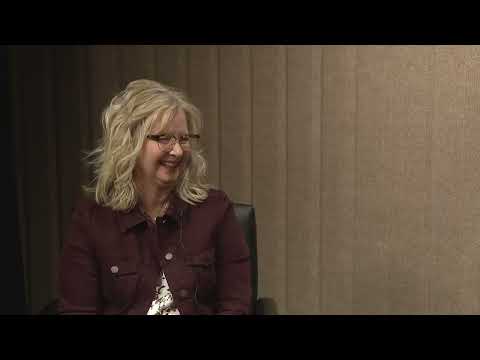
Barbara Gilmeister, founder and executive director of Gilly's House, told the podcast Follow the Leader that the nonprofit sober house, opened in 2018, offers 24/7 staff in long-term recovery, requires residents to enter from programs with 30–40 days sober, and runs community events and support groups.
Barbara Gilmeister, founder and executive director of Gilly's House, described on the podcast Follow the Leader how she and her husband opened a nonprofit sober house after their son Steven died of an overdose in 2016. "He started on a road to addiction and ... he passed away in 2016 from an overdose," Gilmeister said, explaining the personal motivation behind the organization.
Gilmeister said the house, which she opened in 2018, occupies a large building of about 8,500 square feet and is staffed around the clock. "We have staff at Gilly's House 24/7, paid staff who are all in long-term recovery," she said, adding that staff are there to notice early warning signs, have conversations and help residents navigate daily challenges.
The residence is organized as a "working house," Gilmeister said: men move in from treatment programs (generally after about 30–40 days of sobriety) and are expected to work, volunteer or attend school. "You need to keep busy ... isolation is really the devil of addiction," she said. Residents range in age from about 18 to 70 and come from varied socioeconomic and educational backgrounds, Gilmeister added.
Community ties and regular shared activities are central to the house's approach, she said. The organization runs in-house meetings, Sunday-night trivia, shared meals supplied by volunteers or community groups, and occasional outings such as bowling nights and a planned deep-sea fishing trip. "We have meals together and that's probably one of the biggest builders of relationships," Gilmeister said.
Gilly's House also runs free public outreach programs. Gilmeister described a monthly "Supper with Siblings" peer group for people who have lost a sibling, an informal barbecue event for grieving men called "Shoulder-to-Shoulder," and an annual "moms' luncheon" in November that typically draws about 80 attendees. She said the house's Summerfest — noted in the interview as scheduled for Sunday, August 16 — is a free, family-friendly sober festival with inflatables, resource tables on mental health and recovery, and local food vendors.
On volunteer coordination and contact, Gilmeister directed listeners to call the house and ask for Moren, the house administrator, and to consult the organization's Facebook page and website for up-to-date volunteer sign-ups and event details. The email address mentioned during the interview was not clearly formatted in the transcript and is not listed here.
Gilmeister emphasized the role of community support: many furnishings and essentials are donated, and community members have adopted and decorated rooms in memory of lost loved ones. She described leadership as collaborative, relying on staff and board members with direct experience in addiction services to set policy and daily practices.
The interview closed with Gilmeister inviting tours of Gilly's House and encouraging listeners to use the organization's online pages to learn more. The show's host thanked her for appearing and the episode concluded.