Get Full Government Meeting Transcripts, Videos, & Alerts Forever!
Get email alerts on the Waste Management topic
No spam. Unsubscribe anytime.
Council questions cost-effectiveness of "Big Belly" smart-trash program, seeks alternatives
Summary
Council members criticized the Big Belly smart-trash can program for hidden maintenance fees and low usage, and asked staff to examine fewer units, alternative bins, or revenue models before renewing or expanding the contract.
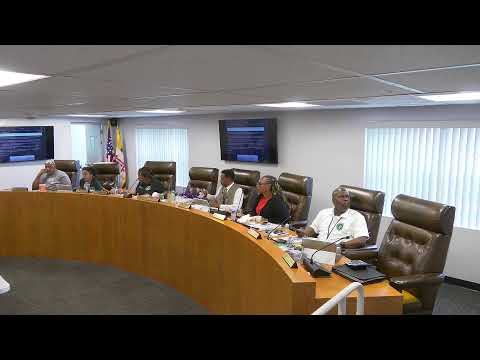
Seat Pleasant ' The City Council on April 23 questioned the cost-effectiveness of the Big Belly network of solar compacting trash cans, with multiple members describing ongoing repair costs and insufficient fill rates in the city.
Mr. Barber (environmental services) explained the devices have not generated the expected alerts because many units never reach the capacity threshold; staff also reported high repair and replacement fees and other hidden charges for repositioning units. "We don't have the foot traffic to fill the Big Bellies," Mr. Barber said, adding that several cans had been damaged and replacement or pickup fees can be substantial.
Councilmembers said the contract's hidden costs and limited advertising revenue have made the program a net drain. One councilmember described the program as "not worth it" at current cost levels and urged staff to consider removing or concentrating units in high-traffic areas to improve performance and reduce maintenance burdens. Staff suggested alternatives such as standard trash cans in more locations, targeted placement where foot traffic will grow (e.g., Blue Line Corridor), or seeking grants for litter-education campaigns.
The council asked for a short-term strategy to reduce operating costs (fewer units or relocating to high-priority areas), an assessment of advertising revenue potential, and possible grant options for litter and recycling education. No formal action was taken; members agreed to revisit the contract after staff supplies utilization data and cost breakdowns.