Get Full Government Meeting Transcripts, Videos, & Alerts Forever!
Get email alerts on the Public Restrooms topic
No spam. Unsubscribe anytime.
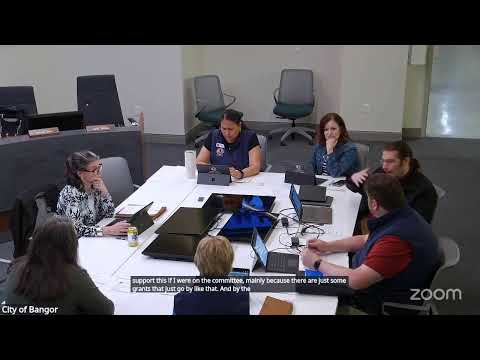
Bangor committee asks staff for cost scenarios as review of four pilot public restrooms continues
Summary
Committee members debated whether four pilot public restroom units are worth the roughly $200,000 annual maintenance line, heard that staff logged nine ClickFix complaints and 29 police calls since January at restroom locations, and asked staff to return with costed options and a strategy memo by June 8 or 10.
City Manager Lear told the committee the city's budget includes roughly $200,000 for ongoing service and maintenance of four pilot public restroom units and that staff had gathered follow-up data to guide council direction.
Lear said complaints logged through the ClickFix portal specifically tied to the four units numbered nine, and that police records show about 29 calls to restroom locations since the start of the year. He said Broad Street and Harlo (reported in staff notes as the most challenged locations) also incur the most damage and police dispositions can mis-map calls because the units do not always have discrete street addresses.
The discussion that followed framed the pilot as mixed at best. One councilor who had supported the pilot said sanctioned encampments would likely require running water and that the city should clarify whether running-water restrooms are necessary for any formal encampment plans. Another member questioned whether the annual maintenance line is justified for units the public largely avoids and suggested alternatives such as locating restrooms at the bus station or Harbor Master facility, or deploying movable restroom trailers.
Parks staff described two staffed restroom facilities'the Harbor Master building and the new service building along the waterfront'that are opened when a park ranger is on duty, typically 8 a.m. to about 6 p.m. Staff confirmed the two units now in storage are portable and could be redeployed, and reminded the committee that initial siting followed several public forums.
Committee members also raised safety and equity concerns. Several members warned that removing restrooms from problem downtown sites could displace users to parks where children play, and said siting near consistent observers (rangers or police) might reduce illicit activity. A councilor who described running a downtown family business said downtown merchants had previously been expected to provide restroom access and that publicly available toilets can reduce unsanitary conditions.
Members asked staff to prepare a set of scenarios showing costs and expected outcomes for options ranging from removing some or all units to increasing cleaning frequency, moving units to different sites, or investing in alternatives such as trailer units (which staff noted require water, sewer and electrical hookups). Staff said it will include recommended strategies for each option and deliver a comprehensive memo on June 8 or June 10.
Next steps: staff were asked to return with costed scenarios and an implementation strategy so the committee can choose among keeping the program as-is, reducing or eliminating units, increasing maintenance, or moving units to new sites.