Get Full Government Meeting Transcripts, Videos, & Alerts Forever!
Get email alerts on the Opioid Recovery Program topic
No spam. Unsubscribe anytime.
Citrus County clinician describes opioid outreach after spike in overdose deaths
Summary
Sunshine Arnold of Citrus County Fire Rescue described a coordinated opioid recovery program that uses billboards and a 24/7 phone line to connect people to rapid on-scene care, including Suboxone and follow-up, after county speakers said overdose deaths surged around 2020–2021.
Citrus County has experienced a sharp rise in overdose-related harms around 2020–2021, and local responders say a coordinated outreach program aims to connect people to treatment quickly. An unnamed presenter in the transcript said the county’s worst year was 2020 and that "in 2021 we saw almost 100 deaths in the county from ... substance use overdoses."
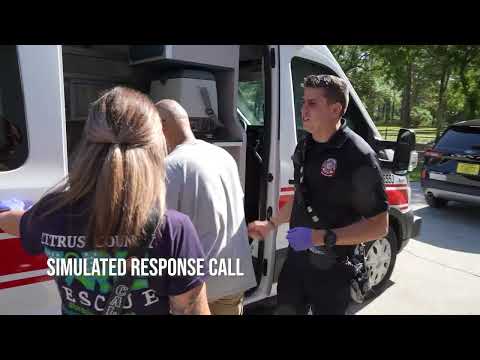
Sunshine Arnold, who identified herself as a licensed clinical social worker and the mental-health clinician with Citrus County Fire Rescue, described the county’s coordinated opioid recovery program and how it operates. Arnold said the program uses countywide billboards advertising a phone number (recorded in the transcript as 352-860876) intended to connect people in crisis with help. The transcript indicates the phone line is answered 24/7 and that responders aim to reach individuals who request help—typically within about an hour.
Arnold described a typical field interaction: crews first address immediate medical needs and withdrawal symptoms so a person is physically able to consider treatment options. "We can provide you with Suboxone and we will come out multiple times a day until we get you to a long-term care provider," Arnold said, adding that managing early withdrawal can allow people to make more rational decisions about entering ongoing treatment. She said that after three or four days many people are clear enough to consider recovery options and that staff follow up to support continuing care.
The transcript frames recovery as an ongoing, daily process: "the road to recovery is never ending," Arnold said, and program staff attempt to maintain contact and support over time. No formal policy votes or budget actions were recorded in the provided transcript.