Get Full Government Meeting Transcripts, Videos, & Alerts Forever!
Get email alerts on the Sign Permit Appeal topic
No spam. Unsubscribe anytime.
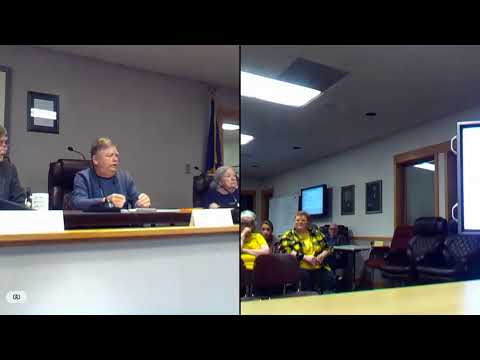
Brown County BZA denies appeal, leaves KOA sign permit in place after 3–2 vote
Summary
After a rehearing Nov. 25, 2025, the Brown County Board of Zoning Appeals denied a petition to reverse the planning director’s issuance of a sign permit for the KOA campground, voting 3–2 to leave the permit in place following testimony, legal argument, and presentation of historical evidence.
The Brown County Board of Zoning Appeals on Nov. 25, 2025 denied an appeal of the planning director’s decision to issue a sign permit for the KOA campground, leaving the permit in place after a 3–2 roll‑call vote.
The rehearing followed an earlier BZA decision and a subsequent procedural notification error; staff presented the case history and relevant zoning provisions and recommended the rehearing proceed on the record. The petitioners, Kurt and Penny Scrogggins, told the board the recently re‑erected sign sits on or at the county right‑of‑way, blocks the line of sight from their cabin toward Salt Creek Golf Course, and fails required setbacks. Kurt Scrogggins said the sign is "on the rightway line" and reported he measured the sign height at about 16 feet, arguing it should be removed or relocated to meet setback rules.
KOA representatives and counsel countered that the sign (described in testimony as an 8‑by‑12 structure, about 96 square feet) has been present in the location for decades, that the current permit was filed in response to staff direction to bring legacy signs into conformity, and that the easement for "ingress and egress" supports placing a sign to effectuate wayfinding. Alex Martin, representing Carpenter Legacy Management and the KOA franchise, said the sign helps large vehicles safely identify the driveway and estimated the KOA property draws about "18,000 guests per year," arguing the sign improves safe access and meets the numerical sign‑area limits in the county ordinance.
The hearing included competing legal interpretations. Petitioners’ counsel Tom Densker told the board an easement limited to ingress and egress does not automatically permit "expanded use" such as large commercial signage and that the applicant bears the burden of showing the easement contemplated such a use. KOA counsel relied on Indiana case law cited in the staff report (Wendy’s of Fort Wayne v. Fagan) to argue easement rights can satisfy the landowner‑permission element of the sign‑permit application; staff and KOA representatives said they interpreted those precedents as allowing the permit here.
Evidence discussed included county GIS overlays and historic photographs (testimony cited a 2005 GIS image and earlier photos), measurements provided by witnesses (petitioner: ~16 ft height; staff/KOA: permit dimensions and franchise guidance), and a petition with 118 signatures from neighbors asking for removal. Board members questioned whether the other, smaller signs nearby could effectuate ingress and egress and whether the big sign imposes an "offensive burden" on the subservient estate. Several board members noted the county sign ordinance requires owner permission on permit applications; the central legal tension was whether an easement can supply that permission as a matter of law or whether the ordinance’s written permission requirement controls.
After extended discussion, the board considered motions. An initial motion to grant the petitioners’ request to reverse the planning director’s decision (i.e., revoke the permit) failed on a 2–3 vote. A subsequent motion to deny the petitioners’ appeal (thereby leaving the planning director’s issuance of the sign permit intact) passed on a 3–2 roll call; the chair announced the petitioners’ request had been denied and the permit remained effective. The board returned to routine calendar items and adjourned; members noted the December meeting date would be Thursday, Dec. 18.
What happens next: the board’s denial of the appeal leaves the director’s sign permit standing; petitioners retain the option of pursuing judicial review in court if they choose. The board encouraged the parties to discuss potential accommodations, but no formal settlement was recorded during the meeting.