Get Full Government Meeting Transcripts, Videos, & Alerts Forever!
Get email alerts on the Housing Policy topic
No spam. Unsubscribe anytime.
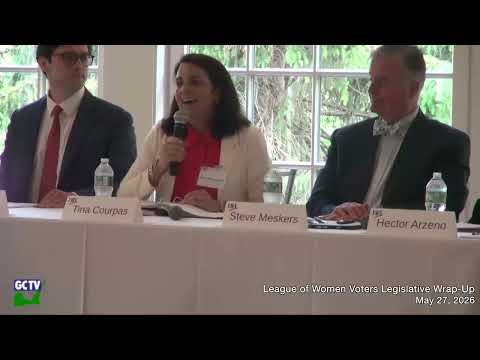
Greenwich lawmakers debate housing mandates, affordable housing and local control at League forum
Summary
Panelists discussed housing affordability, criticizing some recent state mandates while urging local planning, accessory dwelling units and mandate relief to reduce local property-tax pressure.
A League of Women Voters forum in Greenwich turned to housing affordability as audience members asked what Hartford can do without eroding local control.
Legislators said a combination of high property taxes, unfunded state mandates on municipalities and construction costs creates affordability pressure. Several panelists urged reforms to reduce unfunded mandates and to encourage small‑scale and accessory dwelling unit development to increase housing options without wholesale loss of local planning authority.
House Bill 8002 and the statute commonly known as 830G were cited in discussion as recent state-level interventions that some panelists said risked displacing local control or proved overly prescriptive. Delegates suggested municipalities can still submit local housing plans and urged town leaders to prepare proposals by statutory deadlines to maximize state support, but they disagreed with a one‑size‑fits‑all approach.
Panelists also debated renter protections, including a "just cause" eviction concept that several panelists said had traction in committee discussions. Some on the panel warned that overly prescriptive tenant protections could discourage landlords and depress rental supply; others stressed tenant stability as a policy goal.
Lawmakers encouraged local stakeholders to convene planning, housing and municipal actors to craft locally tailored plans that meet state requirements while preserving Greenwich’s neighborhood character. Several said a collaborative municipal plan submitted on schedule would increase the chances of state support for locally appropriate housing solutions.