Get Full Government Meeting Transcripts, Videos, & Alerts Forever!
Get email alerts on the Environment Energy topic
No spam. Unsubscribe anytime.
Residents urge Davie County commissioners to block Duke Energy plant proposal on Yadkin River
Summary
Public commenters and river-protection advocates told Davie County commissioners the proposed Duke Energy methane-burning plants on the Yadkin River would threaten water, wildlife and public health and demanded transparency about possible non-disclosure agreements; commissioners said they will examine legal and ordinance options but took no formal vote.
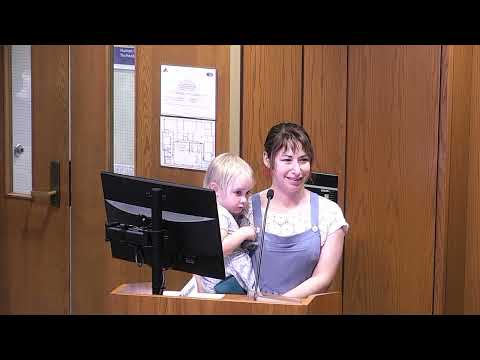
Dozens of Davie County residents urged the Board of Commissioners on June 1 to oppose a pair of proposed methane-fired power plants that community members say Duke Energy is considering along the Yadkin River.
Nicole Eastman, riverkeeper assistant and watershed protection specialist at Yadkin Riverkeeper, told the board the project ‘‘would cause the loss of an important outdoor recreational resource and forested land and contribute to water degradation in the Yadkin River.’’ She said a plant could withdraw at least ‘‘600,000 gallons of water’’ per day for cooling and return hundreds of thousands of gallons of warmer water with reduced dissolved oxygen, which can harm fish and encourage harmful algal blooms.
Other speakers echoed Eastman’s concerns about cumulative water, air and community impacts and demanded transparency about whether county officials or partners have signed non-disclosure agreements related to the project. ‘‘Duke Energy reported record-breaking profits measured in the billions of dollars last year,’’ one speaker said, arguing that the company’s plans and a reported intention to raise rates make the project especially consequential for residents.
The record includes multiple public commenters from both Davie and neighboring Davidson County who warned of lasting changes to farmland, wildlife habitat and historic river crossings if industrial development proceeds. Several speakers tied health concerns to air pollution from combustion sources, citing particulate matter (PM2.5) as a risk to asthma and heart health.
Commissioners said they have heard the concerns and will seek legal and policy clarification before taking further steps. Commissioner Jones said he is ‘‘all for transparency’’ and that county attorneys and staff will need to verify whether state law or utilities rules remove local zoning authority in this case. He suggested the board may pursue ordinance or procedural options to preserve county control, but no formal moratorium or ordinance change was adopted at the meeting.
On the record, one speaker disputed claims that county officials had signed non-disclosure agreements; the transcript does not place that denial with a clearly identified official. The board did not take a formal vote on the power-plant question at the June 1 meeting and directed staff and counsel to investigate legal authorities and potential next steps.
What’s next: Commissioners said they expect additional information and legal analysis before any formal action; staff indicated the board will continue discussing the matter at upcoming work sessions.