Get Full Government Meeting Transcripts, Videos, & Alerts Forever!
Get email alerts on the Environmental Protection topic
No spam. Unsubscribe anytime.
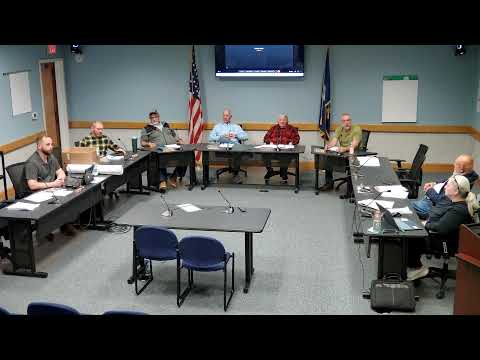
Residents press Killingly panel to push for Old Killingly Pond repairs as pond drawdown worries mount
Summary
Multiple residents urged the Inland Wetlands and Watercourses Commission to press state reviewers to prioritize Old Killingly Pond (Dam #6912), citing fish kills, drying wells, and ecosystem harm from the drawdown and requesting that environmental impacts be central to any town position.
A steady stream of public commenters told the Inland Wetlands and Watercourses Commission that Old Killingly Pond and Dam #6912 deserve urgent attention and careful coordination with the Connecticut Department of Energy and Environmental Protection (DEEP).
Susan Lacro, Jasmine Birdie, Ida Baris and numerous other residents described visible ecological damage since the pond drawdown and urged the commission to ensure that DEEP’s dam‑safety review and any town position weigh environmental impacts alongside dam safety. Several residents asked how the town will incorporate public input and how it will verify technical claims in municipal communications.
Multiple speakers described direct local effects: private wells that are or may be losing yield; visible fish kills and stressed wetlands; the presence of large turtles and migratory vernal‑pool species; and concerns about headwater connections from Old Killingly Pond downstream toward the town’s wellfields. One commenter noted what he described as a chain of local dams between Old Killingly Pond and the town aquifer, cautioning of hydraulic connectivity.
Speakers asked the commission to coordinate with technical experts and citizen advocates. The commission and staff agreed to coordinate a response: staff said they would draft recommended verbiage for the council’s consideration and coordinate with community experts (the record cites participation from Charles Vidic, a watershed expert mentioned by residents) to assemble technical materials to forward to DEEP.
Why it matters: Residents said the pond is a community asset with recreational and ecological value, and raised both immediate (fish kills, drying wells) and long-term concerns (aquifer recharge, habitat loss). Commissioners said the town council had passed a resolution designating the commission to represent town interests in DEEP’s review and that staff would assemble technical input and recommended language to present to the council and DEEP.
What citizens asked for: clarifications about the state review status; incorporation of environmental impacts into the town’s position; regular public updates from town staff; and independent technical oversight of proposed dam repair or removal scenarios. Several callers urged that the town demand escrow or other financial security so private homeowners would not be left bearing cleanup or replacement costs if the situation worsens.
What the commission will do next: Commissioners asked staff to draft language for review, to coordinate with citizen groups and technical experts who have compiled reports, and to forward assembled technical material to DEEP. Residents were urged to submit written comment through the town website as well; staff noted written comments received before 2 p.m. on meeting days are appended to the meeting packet and are part of the public record.
Speakers quoted in this article include multiple public commenters who appeared at the June 1 meeting. Representative quotes:
• "Old Killingly Pond is an important natural and community resource and I hope the public will continue to be kept informed as decisions are made about its future," Susan Lacro said during the citizens participation segment.
• "I spoke with the governor today as well as Congressman [name] about Old Killingly Pond ... this is a lake that feeds people's wells," Dr. Angelina Wagner said, urging protection and refill mechanisms.
• "We need to open our eyes a little bit," Justin Fischer said, summarizing concerns about multiple dams and connections to the aquifer.
The commission and town staff encouraged residents to submit additional written information and said they will coordinate to bring technical material forward to state reviewers and the town council.