Get Full Government Meeting Transcripts, Videos, & Alerts Forever!
Get email alerts on the Stormwater Funding topic
No spam. Unsubscribe anytime.
Council hears plan to study a stormwater utility as monitoring data are prepared for public dashboard
Summary
Stormwater staff told the Portsmouth council they are issuing an RFQ to identify a sustainable, equitable funding model (a possible stormwater utility) and are preparing a public dashboard for monitoring data; councilors asked how a fee could enable targeted source-tracing and additional testing over time.
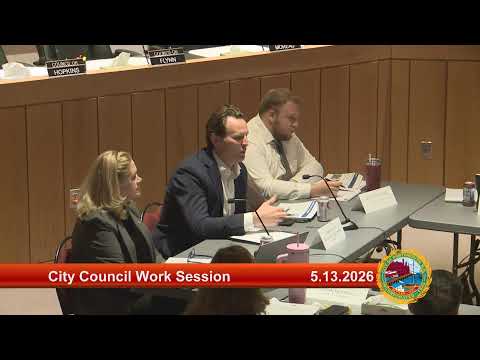
Stormwater staff on May 13 told the Portsmouth City Council they have launched a consultant RFQ to evaluate a sustainable, equitable stormwater funding model and that a public dashboard for total-nitrogen and other monitoring data is nearly ready.
"We're committed to a cleaner Portsmouth," said Jamie McCarti, stormwater operations manager, who outlined operational work over the last year: 1,500 inspected catch basins, 458 cleaned (88 tons removed), and 329 wet-weather samples completed as part of the city’s MS4 and Great Bay permit compliance.
McCarti said the city currently splits stormwater costs roughly 50/50 between the general fund and sewer rates, and the RFQ is the first step in determining whether a dedicated stormwater enterprise or utility would better align costs with property impacts. “This RFQ is just the beginning of the implementation phase,” McCarti said, adding that any enterprise would require substantial council discussion about level of service and equity before proceeding.
Councilor Cook asked where the total-nitrogen testing data are available. Staff said annual reports are submitted to the EPA (attachments are not published on the EPA’s public site) and the city’s dashboard with mapped monitoring locations will be hosted on the city website.
On targeted investigations, staff said developing a dedicated revenue stream would allow more routine field sampling and upstream tracing over time; right now many investigations are desktop-driven or constrained by field-work costs.
McCarti also noted regulatory drivers — the next permit cycle will likely require expanded testing — and said the city will continue to pursue options that balance compliance needs and equitable cost allocation.
Next steps: staff will return with more detail as the RFQ yields proposals and as the dashboard goes live; no fee or enterprise structure was decided during the session.