Get Full Government Meeting Transcripts, Videos, & Alerts Forever!
Get email alerts on the Public Art Plan topic
No spam. Unsubscribe anytime.
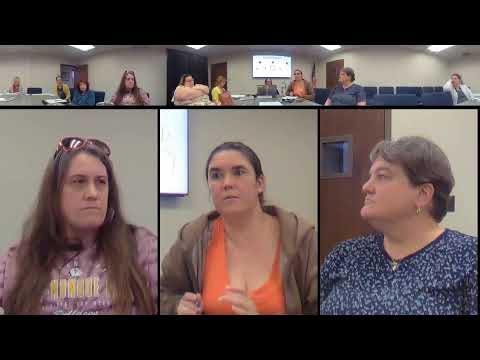
Consultants present five‑year public art plan to Stow Arts Commission ahead of June 18 council vote
Summary
Consultants from Sabertooth Public Art outlined a draft five‑year public art plan for the City of Stow, detailing artist‑selection procedures, a registry, site stewards, funding options including a possible 'percent for art,' and a toolkit of sample RFPs and contracts; the plan will be presented to City Council on June 18 for a potential vote.
Alisa Gargarella, a consultant with Sabertooth Public Art, told the Stow Arts Commission that the draft public art plan’s goal is "to weave public art into the daily life throughout Stow," and asked commissioners to review the plan ahead of a City Council presentation scheduled for June 18.
The plan, prepared by Sabertooth consultants Alisa Gargarella and her business partner Marissa, is written as a five‑year blueprint that the consultants described as a "living document" that the commission and council can adapt. Gargarella said the package includes a toolkit with sample requests for proposals, sample budgets and contract language, site identification and an evaluation chapter to guide future amendments.
Why it matters: The proposal would create processes and governance so public art can be implemented consistently as city leadership and volunteers change. The consultants described a mix of roles: the Arts Commission would provide strategic leadership, selection panels would evaluate artist proposals, city staff would handle contracts and legal review, and site stewards would maintain finished works.
Key elements of the plan identified by the presenters include establishing an artist registry, using project‑specific selection panels so commission members are not overwhelmed by every selection decision, and phasing pilot projects in year one (utility boxes, small pilots and a writing project) with expansion in years two and three and larger signature commissions later. "We think it might be in your best interest so that you're not inundated with all the jobs," Gargarella said of project‑specific selection panels.
The consultants also outlined funding approaches, noting that the plan describes both in‑house and external funding sources such as grants and partnerships. Gargarella raised ideas the commission could recommend to Council—such as a percent‑for‑art policy on capital projects or modest ticket surcharges at AMP events to seed a public art fund—but emphasized the plan documents multiple, creative funding strategies rather than prescribing a single approach.
The presenters said adoption would include an implementation schedule and evaluation milestones. "Get through your first pilot year," Marissa said, describing the consultants’ expectation that the commission use early projects to adjust responsibilities and workflows. The consultants said they would present the plan to City Council on June 18, at which point Council could adopt it, request revisions or ask for more information.
What’s next: Commissioners were asked to read the draft and submit feedback before the June 18 presentation so Sabertooth can incorporate any suggested changes. The consultants pledged to provide a designed (print and digital) version after the commission and Council complete the substantive review.