Get Full Government Meeting Transcripts, Videos, & Alerts Forever!
Get email alerts on the Public Hearing Comments topic
No spam. Unsubscribe anytime.
Residents, housing committee and conservation chair urge flexibility, greener design during Woodbridge zoning hearing
Summary
At the June 1 public hearing, Dominic Mc Thomas (Woodbridge Housing Committee) urged the commission to allow housing above commercial and to use ranges instead of single numeric standards; Conservation Commission chair Sharon Dott warned that tree and landscaping requirements appeared to have been removed from the draft and urged protections; other residents raised affordability and parking concerns.
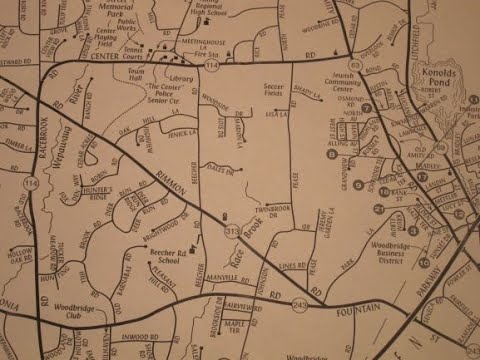
Public commenters at the Woodbridge Planning and Zoning Commission’s June 1 hearing pressed the commission for two linked priorities: more downtown housing opportunity and protections for the town’s streetscape and greenery.
Dominic (Dom) Mc Thomas, chairman of the Woodbridge Housing Committee, told the commission his committee favors housing above retail and commercial uses in the downtown core and asked the commission to avoid regulations that make conversions ‘‘pre‑existing legal nonconforming’’ and subject owners to costly variances. Mc Thomas recommended more flexibility—using ranges rather than single numerical bulk standards—and focusing on limiting bedrooms rather than imposing strict maximum unit square footage.
Sharon Dott, chair of the Conservation Commission, said she had not been able to fully review the draft but that she was concerned several tree and landscaping requirements appeared to have been removed from the proposed zoning text; she asked the commission to ensure that changes do not sacrifice greenery or the town’s civic character.
Other residents raised concerns that mandatory long‑term deed restrictions tied to affordability and rear parking requirements could make small conversions economically unfeasible or yield an insensitive streetscape. One commenter warned that statewide policy dynamics could produce stronger mandates if towns resist change; commissioners and staff responded that the adopted local rules implement the current statute while preserving avenues to revisit standards as issues emerge.
The commission kept the public hearing open through its work session to allow follow‑up and accepted written comments into the record.