Get Full Government Meeting Transcripts, Videos, & Alerts Forever!
Get email alerts on the Wildlife Rehab topic
No spam. Unsubscribe anytime.
Local wildlife rehabilitator shows raptors, warns of habitat loss and poisons
Summary
At a public program following the PCT business meeting, presenter Tom displayed live raptors and urged the community to address habitat loss, retail rodent poisons and other threats; he recounted decades of rehab work and answered audience questions about permits and feather/possession laws.
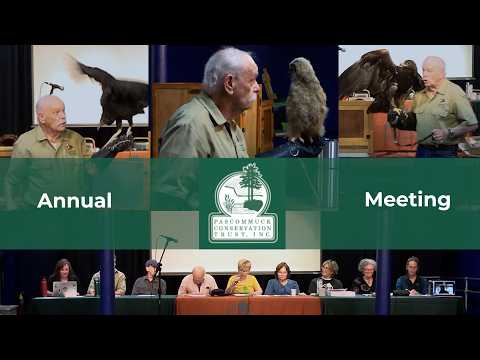
After the business meeting adjourned, presenter Tom delivered an extended public program with live raptors, personal rescue anecdotes and conservation warnings for Easthampton residents.
Tom described his decades in wildlife work and rehabilitation, noting he has worked with birds and held federal permits. He said habitat loss is the single biggest problem facing wildlife today and cautioned that common retail rodent poisons can result in prolonged suffering for poisoned animals and secondary poisoning of raptors and scavengers. "The biggest problem facing wildlife today is loss of habitat," Tom said; he also reported that he rescued 176 raptors in one recent year and that some bald eagles he treated had lead or fishing weights in their stomachs.
During a demonstration, Tom explained banding and captive-breeding practices used to bolster raptor populations and described how nesting boxes and targeted habitat measures can help kestrels and other species. He displayed a kestrel, a barn owl, a red‑tailed hawk and a golden eagle, using those examples to discuss vehicle strikes, window collisions and the effects of changing land uses on bird populations.
Audience members asked practical questions about possession of molted feathers, which Tom said are tightly regulated and generally restricted to Native American ceremonial uses or specific educational permits; he referenced a federal-era “Feather Trade Act” in explaining the restriction and said US Fish and Wildlife is the permitting authority for eagles and certain rehabilitation activities.
Tom encouraged attendees to report injured birds to licensed rehabilitators and to avoid moving apparently unattended young birds unless they are clearly injured; he also urged calls to state representatives in support of policies to restrict hazardous consumer rodent baits. The presentation closed with applause and thanks from the trust.