Get Full Government Meeting Transcripts, Videos, & Alerts Forever!
Get email alerts on the Animal Welfare topic
No spam. Unsubscribe anytime.
Beatrice Humane Society tells council TNR program cut stray cat intake; shelter reports 98.1% live outcome rate
Summary
Beatrice Humane Society representatives told the city council their trap‑neuter‑vaccinate‑release program has reduced stray cat intake: the city funded 63 TNRs last year, the shelter reported a 98.1% live outcome rate and roughly 1,517 adoptions in 2025, and other towns are bringing cats to Beatrice for TNR services.
Representatives of the Beatrice Humane Society updated the Beatrice City Council on the organization’s trap‑neuter‑vaccinate‑release (TNR) program and broader shelter outcomes, saying the local program has substantially reduced the number of stray cats entering the shelter.
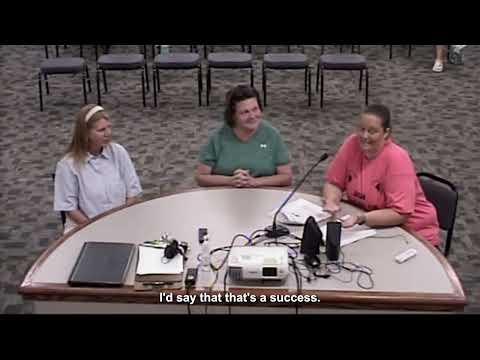
Stephanie Clark, president of the Humane Society’s board, introduced executive director Carly Fittis and foundation board member Deian Caspers and thanked the city for partnering on the TNR program. The presenters said the city funded 63 TNR procedures on Beatrice cats last year (the city had budgeted for 100) and that other nearby communities are transporting cats to Beatrice for TNR services because they lack local capacity.
Fittis told the council the shelter exceeds the typical “no‑kill” threshold, reporting a live outcome rate of 98.1% for animals entering the shelter and noting approximately 1,517 adoptions in 2025. The Humane Society representatives described responses to past large‑scale hoarding intakes and said they have developed treatment protocols for diseases such as parvovirus (panleukopenia) and ringworm to increase survivability when taking in large groups of animals. They said regional partners have provided funding for some events (one neighboring town contributed $5,000 for a recent clinic) and that the Beatrice clinic is the only low‑cost, high‑volume spay‑neuter clinic focused on sterilization in the state, according to the presentation.
Council members asked how long the city needs to continue funding to maintain population control; presenters said sustained, modest annual investment is required to keep the population managed and that without spay/neuter efforts the population would rebound over several years. The Humane Society extended an invitation to council members to visit the clinic and shelter.
The meeting adjourned at 6:31 p.m.