Get Full Government Meeting Transcripts, Videos, & Alerts Forever!
Get email alerts on the Tourism Tax topic
No spam. Unsubscribe anytime.
Council debates raising innkeepers tax as Department of Revenue prompts ordinance update
Summary
Noble County council discussed updating its tourism commission ordinance to comply with Department of Revenue guidance and weighed increasing the innkeepers (hotel) tax from 5% to as much as 8%, with tourism staff estimating roughly $90,000 in added revenue and proposing marketing and grant uses.
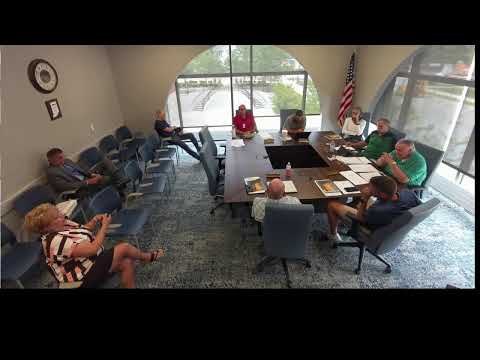
Noble County council members spent an extended portion of their June 1 meeting considering changes to the county’s tourism ordinance and whether to raise the innkeepers (hotel) tax. Staff said new Department of Revenue guidance requires that every city have an appointment on the tourism commission, and because the ordinance must be opened to add that language the county could also consider adjusting the tax rate.
The county’s tourism representative, who described the tourism commission as a nonprofit operator of destination marketing, told the council that “if we increased from from five to eight, it could increase our budget by $90,000 next year,” and said the money could be split into roughly $30,000 for marketing, $30,000 for community grants and $30,000 for destination development projects. The representative emphasized the funds would be transparent and administered by the tourism commission and a connected 501(c)(3).
Council members asked procedural questions about the timeline and whether the county could meet a July 1 compliance target. Staff said the Department of Revenue is giving counties time to demonstrate they are updating ordinances; the immediate obligation is to add language confirming that cities and towns appoint seats to the tourism commission. The tourism representative clarified that the levy applies to short‑term lodging such as hotels, motels, bed‑and‑breakfasts and short‑term rentals and does not apply to campgrounds and campsites.
Speakers also discussed potential impacts on residents and visitors. The tourism representative noted the charge functions “more like an assessment than a true tax” collected by lodging operators and expects most visitors would not be deterred by a marginal increase on a nightly receipt. She added that last year visitor spending attributed to the county was approximately $42 million, which the office uses to justify marketing investments that aim to increase local spending at restaurants, shops and events.
The council did not take a final vote on a rate change at the meeting; staff recommended moving forward with ordinance language updates required by the Department of Revenue and returning to the council with a formal proposal and timeline if members want to pursue an increase.