Get Full Government Meeting Transcripts, Videos, & Alerts Forever!
Get email alerts on the Budget Homestead Exemption topic
No spam. Unsubscribe anytime.
Palmetto Bay manager warns proposed state homestead exemptions could cut municipal property tax revenue by millions
Summary
Village Manager told the council a pending state bill to boost homestead exemptions to $150,000 (2027) and $250,000 (2028), plus assessment caps, would sharply reduce Palmetto Bay’s taxable value and could cut property-tax revenue by roughly $2.5 million in the first year and nearly $4.5 million by 2028 absent replacement funds.
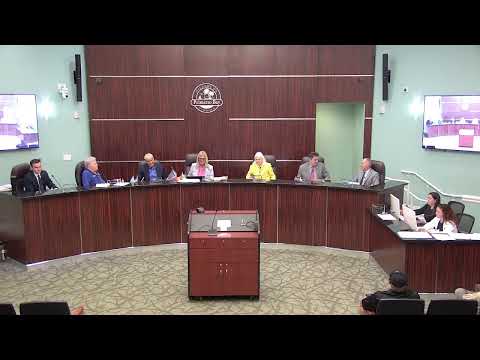
At its June 1 meeting, Village Manager Nick Morano laid out projected fiscal impacts if a pending Florida law raises homestead exemptions to $150,000 next year and $250,000 in 2028 and narrows annual assessment growth. Morano said the village’s estimated taxable value would fall from about $5.22 billion to $4.14 billion in the first year of change, lowering local property-tax revenue from roughly $11.4 million to $8.8 million — “a reduction of nearly $2.5 million,” he said. He warned a second-year change could push taxable value to about $3.29 billion and local revenue down to about $6.6 million, a cumulative decline of roughly $4.5 million.
Why it matters: Palmetto Bay has a very high share of homesteaded parcels compared with other Miami‑Dade municipalities, so the village’s revenue is unusually exposed to any expansion of homestead exemptions or caps on assessed-value increases. Morano said the scale of the projected drop in property-tax collections “is not something you can efficiency your way out of” and would likely require reductions in service levels absent state or federal replacement funding.
What the manager presented: Using an estimated taxable value of about $5.2 billion and the village’s current millage and collection assumptions, Morano walked council members through scenario tables showing immediate and longer-term revenue losses and modeled how cap changes to non‑homesteaded residential and commercial values would deepen the revenue shortfall. He also referred to pending federal and state appropriations for specific capital items — including a $1 million federal appropriation for Veterans Park — as context for available capital funding.
Council reaction and next steps: Council members asked detailed follow‑ups about timing, the village’s contingency strategies, and whether the village could separate certain funding streams in its budget process. The manager said staff will include modeled scenarios in the June 23 budget workshop and recommended council consider mitigation options — for example, retooling capital plans, pursuing replacement grants, or adjusting service priorities — before the legislature’s final action is known.
The takeaway: The pending state changes, if enacted as presented to the council, would produce multi‑million‑dollar reductions in property tax revenue in the near term for Palmetto Bay, requiring council-level decisions about services and capital projects when the FY2026‑27 budget is finalized.