Get Full Government Meeting Transcripts, Videos, & Alerts Forever!
Get email alerts on the County Budget topic
No spam. Unsubscribe anytime.
Fairfax County budget would raise property and hotel taxes; teachers say requested school-funding gap remains
Summary
The county executive’s FY26 advertised budget proposes a 1.5-cent real-estate tax increase and raising the hotel tax to 6%, while adding $8.5 million for affordable housing and roughly $60 million in agency reductions. FCPS asked for a $268 million transfer; the executive recommended about $119 million, prompting widespread teacher protests at a Mount Vernon town hall.
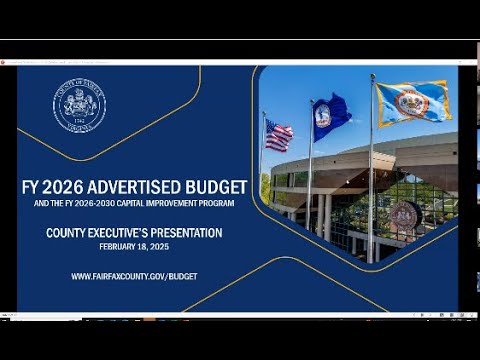
Fairfax County’s executive on Thursday presented an FY26 advertised budget that would raise the real-estate tax rate by 1.5 cents and lift the transient-occupancy (hotel) tax from 4% to 6% while proposing roughly $60 million in departmental reductions, county budget staff said at a Mount Vernon town hall. County presenters said the advertised plan would bring the county’s overall budget to about $5.4 billion.
County budget official Joe Leate said the proposed tax-rate change, combined with projected revenue growth, would yield a modest increase in county revenues and that the average homeowner’s tax bill would rise “by about $638.” Leate and his team also described a proposed quarter‑penny increase dedicated to affordable housing — roughly $8.5 million in baseline funding — and said officials identified $60 million in potential reductions after asking agencies to submit options equal to 10% of their budgets.
The nut of the dispute at the town hall was schools funding. Fairfax County Public Schools requested an additional $268 million from the county to cover compensation and enrollment-driven costs. The county executive’s advertised budget recommends a transfer of about $118.7 million — roughly half the amount the school system sought — leaving an unresolved shortfall that drew repeated criticism from FCPS staff and residents at the meeting.
“How can you justify fully funding negotiated contracts with firefighters and police and not fully fund teachers?” asked Morini Mora, a Mount Vernon resident, parent and school librarian, during the Q&A. Multiple classroom teachers who spoke later echoed that concern, saying the county’s proposed funding would shortchange a negotiated teacher contract and worsen recruitment and retention problems.
FCPS presenters, including the system’s budget director and supporting staff, framed their FY26 request around competitive compensation and special-education needs. Dr. Reed and FCPS staff said compensation and enrollment adjustments account for most of the district’s requested increase and that much of the county transfer would fund salary and staffing increases targeted at retaining teachers.
County supervisors and staff repeatedly pointed to constrained local revenue options and urged cooperation with state and federal partners. Supervisor Stor told the meeting that state underfunding is a persistent driver of the county’s budget pressures and said the board will scrutinize the executive’s recommendations over the coming weeks.
The county will consider public feedback at upcoming meetings: a joint Board–School Board session on Feb. 25, advertised-rate action on March 18, public hearings April 22–24, and final budget adoption on March 13, county staff said.
Observers at the town hall urged supervisors to find additional revenue or reprioritize cuts to preserve classroom staffing and step increases negotiated with FCPS staff. County staff said the advertised budget is a starting point for the board’s deliberations and that some of the reduction options were presented by agencies as the least service‑disruptive choices available.
The town hall was recorded and will be posted on Supervisor Stor’s public video page.