Get Full Government Meeting Transcripts, Videos, & Alerts Forever!
Get email alerts on the Land Use Moratorium topic
No spam. Unsubscribe anytime.
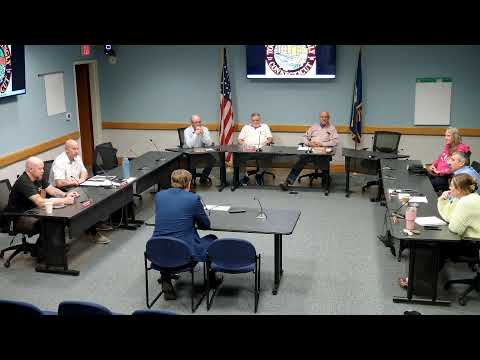
Killingly land-use attorney outlines proposed moratorium on distribution centers
Summary
At a town council workshop, land-use attorney Ken Slater explained a proposed moratorium that would pause applications for large distribution centers while the planning and zoning commission drafts potential regulatory changes and holds public workshops; the pause could last roughly a year, Slater said.
Ken Slater, a municipal and land-use attorney, told the Killingly Town Council that the town’s planning and zoning commission is considering a moratorium on applications for distribution centers and large warehouse facilities to give the commission time to evaluate and possibly revise its regulations.
"If the moratorium gets adopted it just puts a pause on everything," Slater said, describing a pause that would stop new applications that fall under the moratorium’s definition while the commission studies changes. He said the pause commonly used in case law can run for "either a year or just under a year period," though the precise length will be set by the draft moratorium language and the commission’s vote.
Slater explained that a moratorium is a text amendment: the commission would add language to the zoning regulations prohibiting applications that match the moratorium definition, then work on new requirements. During the moratorium, the commission can hold workshops and accept proposed language from residents, developers, or staff before scheduling a public hearing on any draft amendments.
He told the council that the moratorium is intended to prevent a rush of applications under the current rules while the town evaluates whether such large distribution uses should remain allowed as-of-right, be limited to special permit review, or be prohibited in certain zones. "They've got a blank canvas," Slater said, describing options such as parameters for height, size and traffic mitigation.
Slater recommended that parties interested in the outcome participate in workshops and draft language rather than filing applications during the pause. He said the moratorium provides time for collaborative drafting and public discussion; after the commission finalizes changes, the moratorium would lapse and any new applicants would be subject to the revised regulations.
Next steps Slater described: the planning and zoning commission is expected to place the moratorium on its next meeting agenda for a public hearing; if the commission adopts it, staff and the commission would schedule workshops and drafting sessions before any regulatory amendments go to a formal hearing and vote.
The transcript records questions from council members about who may propose text changes, whether the public can force a referendum (Slater said zoning changes are decided by the commission and are not subject to referendum), and how long the moratorium could last. The meeting concluded with a motion to adjourn; no formal vote on the moratorium was recorded in the transcript.