Get Full Government Meeting Transcripts, Videos, & Alerts Forever!
Get email alerts on the Commercial Real Estate topic
No spam. Unsubscribe anytime.
Colliers: Portsmouth-area office vacancy has risen; retail resilient as conversions and multifamily reshape market
Summary
Colliers’ managing director and research director told the Portsmouth Boards & Commissions that five-year trends show rising office vacancy in the Portsmouth submarket, ongoing conversions of lower-grade office to housing, steady multifamily development and resilient retail demand.
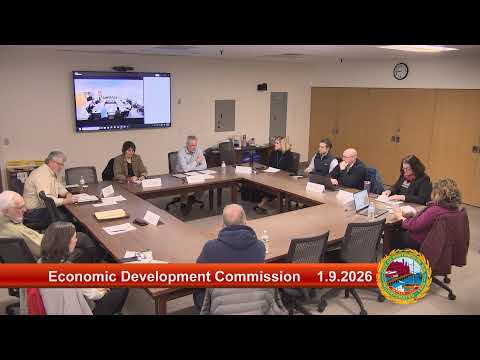
Colliers representatives summarized local commercial real estate trends at a Portsmouth Boards & Commissions meeting, telling commissioners that office vacancy in the broader Portsmouth submarket has climbed over the past five years while the city proper has fared better.
Christy Russell, research director for Colliers’ New Hampshire and Maine coverage, said, “The Portsmouth submarket has climbed by 8.7% over the last five years and the city of Portsmouth is only 3%,” and noted that their vacancy figures include sublease space in addition to direct vacancy, which can make comparisons with other data providers differ.
The presenters said the increase in vacancy has coincided with active conversions of older, Class C office buildings into multifamily housing in some regional markets. They described that trend as developer-driven: “Investors are only building if they have a tenant in mind,” the presenters said, adding that persistent construction-cost increases mean many developers prefer to secure occupancy before breaking ground.
Colliers highlighted several recent local deals as evidence of shifting demand: redevelopment at 53 Green Street into residential condos with ground-floor commercial space; new leases at previously long-vacant office buildings such as Bottomline Technology’s site; and investor activity in retail plazas paired with multifamily projects.
On the industrial side, the presenters characterized a modest rise in vacancy as healthy because it creates room for expansion: they pointed to new industrial inventory and specialized buildings that can take longer to retenant. They also noted continued owner-user demand for smaller industrial and flex footprints in the region.
Retail, the presenters said, has recovered more robustly than some expected after the pandemic. Abby Bachmann, Colliers’ managing director for the Portsmouth office, told the commission that retail “seems to be the most adaptable right now” and that investors remain active in retail plazas that can be paired with multifamily development.
Commissioners raised questions about how a large mall redevelopment could affect downtown retail; Colliers said outcomes depend on project scale, tenant mix and final rents, and offered to provide additional data on sublease splits and downtown-specific indicators. The presenters offered to follow up with requested breakdowns.
The presentation ran about 20 minutes and concluded with a short Q&A. Commissioners asked the presenters to provide further data on sublease versus direct vacancy and downtown-specific unit counts for future meetings.