Get Full Government Meeting Transcripts, Videos, & Alerts Forever!
Get email alerts on the Homelessness Encampments topic
No spam. Unsubscribe anytime.
Residents press Charlottesville City Council for porta‑potties, water and humane treatment at river encampments
Summary
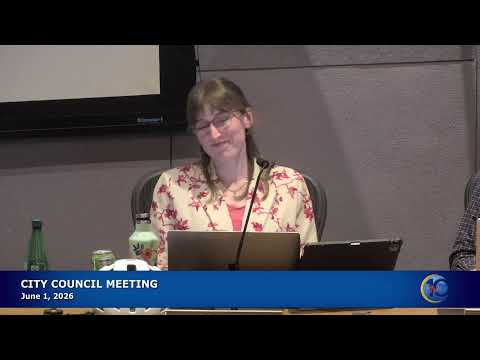
During public comment dozens of residents and service providers urged immediate city action to provide porta‑potties, water, dumpsters and fire safety at encampments by the Rivanna River and criticized overpolicing and displacement pressures by development.
Dozens of Charlottesville residents and representatives of local groups used the council’s public comment period to press the city for immediate, practical help for people living in river-area encampments and to criticize what they described as overpolicing and unchecked displacement by development.
Laura Sagani, who said she works with unhoused people, told the council she had seen “more and more police harassment, more and more police surveillance” at encampments and said the city had provided no viable alternative options after recent evictions. “These people like all of us need resources, not harassment,” she said.
Speakers described basic deprivations at the River/Ravana encampment — no drinking water, no toilets, no waste disposal and no regular servicing — and urged the city to allow on-site porta‑potties, provide dumpsters, water and fire extinguishers and coordinate with local businesses and nonprofits that have offered help. "The simplest solution to it is to stop the overpolicing," one speaker said, adding that people would disperse and conditions would improve if enforcement pressure eased.
City staff acknowledged the requests and told council that property‑owner permissions have blocked placement and servicing of porta‑potties. Deputy city management said the city had explored options including Cosner Brothers and other adjacent property owners; Cosner Brothers declined to host facilities and procurement and servicing logistics remain a barrier. Staff said the city is coordinating with the continuum of care and community partners on Holiday Drive operations and that locations closest to the river are not a tenable long‑term solution.
Several speakers tied the encampment issues to broader housing and equity concerns. Latricia Gals, executive director of the Charlottesville Public Housing Association of Residents, urged equitable distribution of density and stronger protections for historically Black and low‑income neighborhoods, saying developer fee buyouts and concentrated student housing push longstanding residents toward displacement.
Councilmembers asked staff to continue coordination with non‑profits and to report back on steps for servicing sites. Staff emphasized that encampment protocols, internal coordination, and an operations plan for Holiday Drive are active workstreams, but said the council should expect a managed approach — not indefinite occupancy — for locations judged unsafe or untenable.