Get Full Government Meeting Transcripts, Videos, & Alerts Forever!
Get email alerts on the River Protection topic
No spam. Unsubscribe anytime.
National Park Service, Upper Delaware Council outline resources to help towns protect the river
Summary
Representatives from the Upper Delaware Council and the National Park Service described the river’s federal protection, offered small grants and technical assistance for municipalities, and unveiled an interactive corridor map and landowner resources.
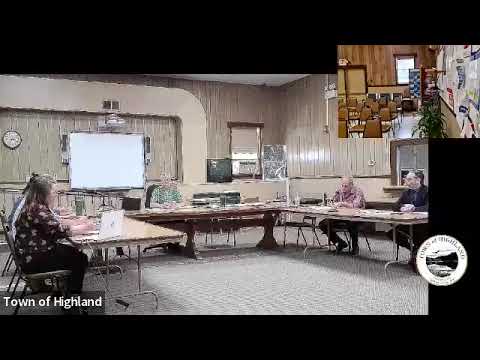
Representatives from the Upper Delaware Council (UDC) and the National Park Service addressed the Highland Town Board on June 11 to introduce staff and to explain resources available for river protection and landowner assistance.
Christine, introduced herself as the UDC representative for the town and opened by describing the river as central to community identity. Lindy K., superintendent for the Upper Delaware Scenic and Recreation River (National Park Service), outlined the unit’s history and authority under the 1978 designation—responsibility the Park Service shares with the UDC and local townships. "We are the ones here who are set up to protect the river and here for all generations," Lindy said.
Har Angelart, UDC resources and land-use specialist, summarized the council’s project-review role and noted the UDC continues to offer small technical-assistance grants, micro-grants for river cleanups, and summer river stewardship programs. Presenters said the UDC and NPS have a new interactive map showing corridor boundaries and municipal zoning layers, a dedicated landowner resource page, and two junior ranger badges unique to the corridor.
Why it matters: the presentation clarified what federal and regional partners can provide to municipalities asking for early review, technical input or grant support for projects in the river corridor.
What comes next: presenters offered to remain available to consult early on land‑use proposals and invited residents and staff to use the map and grant programs described in the meeting packet.