Get Full Government Meeting Transcripts, Videos, & Alerts Forever!
Get email alerts on the Fraud Investigation topic
No spam. Unsubscribe anytime.
CMS details anti‑fraud actions: state deferrals, hospice payment suspensions and supplier moratoria
Summary
CMS described stepped‑up enforcement: a $350 million deferral to Minnesota, suspended payments to about 850 California hospices, moratoria on some durable medical equipment suppliers, and strengthened referrals to the OIG, FBI and DOJ.
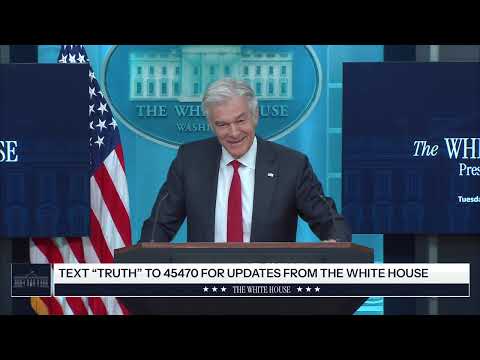
CMS Administrator Dr. Oz told reporters the agency has ramped up anti‑fraud work across Medicaid and related programs and is coordinating rapid referrals to law enforcement.
Dr. Oz said the White House vice president’s anti‑fraud task force is taking an "all of government approach," enabling CMS to contact the Office of Inspector General, the FBI or the Department of Justice when suspicious billing patterns appear. "When we identify by looking at the data ... that there's anarency in how these bills are coming into us ... it's incredibly empowering for us to quickly call the Office of Inspector General or the FBI, the Department of Justice," he said.
He cited a recent Minnesota investigation that led the state to halt a non‑emergency medical transportation program after alleged large‑scale fraud, and said CMS deferred $350 million to Minnesota pending review. Dr. Oz also said CMS has suspended payments to about 850 hospices in California amid enrollment and billing irregularities.
On suppliers, Dr. Oz said the agency asked for moratoriums in some jurisdictions on durable medical equipment suppliers after finding unusually high numbers of suppliers in certain markets, including South Florida. He emphasized the agency uses industry whistleblowers as a key information source and said it is in dialogue with industry groups about moratorium length.
Why it matters: CMS actions affect state program operations and provider cash flow and could prompt provider appeals and legal challenges. The administration framed the moves as necessary to protect beneficiaries and federal funds.
What’s next: CMS said it will continue investigations, coordinate with federal law enforcement on referrals, and work with states to restore programs when fraud risks are addressed.