Get Full Government Meeting Transcripts, Videos, & Alerts Forever!
Get email alerts on the Charter Amendments topic
No spam. Unsubscribe anytime.
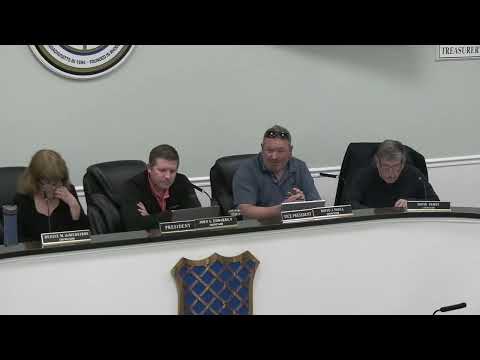
Tiverton council asks solicitor to draft charter amendment language on boards, treasurer and EDC
Summary
The Tiverton Town Council reviewed a slate of proposed charter amendments — covering vetting for quasi‑judicial boards, removing a Planning Board seat from the Tippenham Harbour commission, making the treasurer an appointed position and aligning the clerk, and revising Economic Development Commission duties — and directed the solicitor to prepare ballot language for a future vote.
The Tiverton Town Council met to discuss and give direction on proposed charter amendments, asking the town solicitor to draft formal amendment language for later consideration and voter submission.
The meeting centered on a cluster of governance changes the council said are intended to improve board recruitment and operational continuity. The chair told the council the solicitor already has items the body previously reached consensus on and that the night’s discussion would focus on additional proposals the council (as appointing authority) wanted to send to the voters.
One debated item was extending a more rigorous vetting process for Planning Board candidates to the Zoning Board as well, with at least one councilor noting the town planner supported reducing Planning Board membership from nine to seven to ease quorum problems and improve recruitment. “He did agree with reducing the members to seven,” a councilor said in support of trimming the board’s size to help ensure a quorum and qualified applicants.
Councilor Paul proposed removing the Planning Board‑designated seat from the Tippenham Harbour and Coastal Waters Management Commission, arguing the town now employs a planner and that the charter provision has left the harbour commission with a vacant voting seat at times. He described the alternative as a liaison role rather than a charter‑mandated voting seat, saying earlier vacancies and the challenge of asking one volunteer to attend two bodies support the change. Several councilors urged that the current chairs of the Planning Board and the Harbor Commission be consulted before final language is adopted.
On municipal officers, the chair proposed making the town treasurer an appointed position and aligning the town clerk with that approach to provide continuity and permit internal succession and mentorship. The town administrator told the council he supported aligning the clerk and treasurer in day‑to‑day operations while clarifying the clerk of the council role remains a council function. Councilors asked the solicitor to remove any draft residency/elector requirement for the clerk in the redline language.
Councilors and staff also reviewed proposed updates to the Economic Development Commission (EDC) charter language. Staff member Renee said the draft drew from the comprehensive plan and the recently completed North Tiverton document and recommended correcting agency names (for example, replacing the now‑defunct Rhode Island Economic Development Corporation with Rhode Island Commerce Corporation) and removing enterprise‑zone references that were sunset in 2019. The draft would clarify EDC duties — from recruiting businesses and assisting with state program information to working with the planner on streetscape projects — and proposed including an experienced development practitioner to participate in discussions about town property.
Members debated whether any EDC representative should be charter‑mandated to attend executive sessions related to land negotiations. Some councilors warned that formal participation in confidential negotiations could create liability and confidentiality risks; others proposed confidentiality agreements or a non‑voting liaison or a requirement to brief the EDC once matters become public. Staff said confidentiality expectations could be written into an assigned role.
Several councilors proposed additional charter language and housekeeping edits: trimming other commission membership where warranted, removing archaic enterprise‑zone text, clarifying reporting lines so that some advisory commissions would report to the town planner rather than the council, and considering whether committees such as arts or veterans advisory groups should be created by charter or formed by council resolution. The chair proposed a veterans advisory committee to improve communication about veterans’ tax exemptions and memorial maintenance; at least one councilor noted the council can establish advisory committees by resolution but that charterizing the position would make it permanent.
The council did not take final votes on charter amendments at the meeting. Instead, members indicated consensus on multiple items and directed the solicitor to draft redline amendment language (including consolidating related edits across charter sections) for review and a formal vote at a subsequent meeting. The session concluded after a motion to adjourn was seconded and approved by voice vote.
What happens next: the solicitor will prepare draft amendment language reflecting the council’s consensus and suggested edits; the council is expected to review and vote on finalized ballot wording at a future meeting before any items are sent to voters.