Get Full Government Meeting Transcripts, Videos, & Alerts Forever!
Get email alerts on the Parking Fees topic
No spam. Unsubscribe anytime.
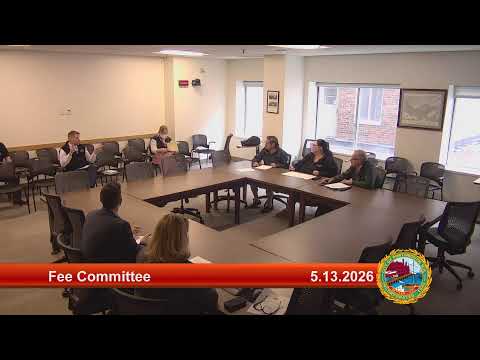
Fee committee ties nonresident ‘wrap’ spots to on‑street first‑3‑hour rate in one‑year pilot
Summary
The Portsmouth fee committee voted May 13 to set nonresident wrap spot hourly charges to match the on‑street first‑3‑hour price so the wrap fee will track changes made to downtown on‑street parking. The committee moved the specific dollar to fee‑committee authority and will include the change in the upcoming budget amendment.
The Portsmouth fee committee voted May 13 to set the pilot nonresident "wrap" parking rate equal to the downtown on‑street first‑3‑hour price so that future on‑street rate changes will automatically adjust the wrap rate.
The committee settled on the change after members warned a fixed, low wrap price could prompt drivers to shift parking into wrap zones via the parking app. Committee member (S2) said the rationale was to avoid spillover to adjacent zones: "if we choose the dollar an hour and our rates on street are more than that... they're gonna see a lower price zone and they're gonna flood that," and recommended moving the precise dollar amount out of the ordinance and into fee‑committee decisions.
Chair (S1) framed the motion as a one‑year pilot that would let the committee monitor behavior and adjust rates if needed: "So a year from now if we didn't like that, we can... adjust it as needed." Staff (S3) confirmed that on‑street parking currently charges $2 per hour for the first three hours in downtown and that parking garages (Foundry and Hanover) have separate schedules; members discussed tying the wrap rate to the on‑street benchmark rather than garage rates to prevent incentivizing spillover.
The committee approved the motion; the change will be presented to the city council as an amendment to the fee section of the budget so the fee committee — rather than a fixed ordinance dollar amount — can set the specific hourly fee in the future. Committee members said staff will report quarterly on the pilot and that the council will see the committee’s recommendation at the June 8 council meeting.
By moving the numeric rate to fee‑committee authority, the committee aims to maintain a single on‑street benchmark and reduce incentives for drivers to migrate to lower‑priced wrap zones. The committee also emphasized the pilot nature of the change and the option to raise or rebenchmark rates if data show the program is not meeting its goals.