Get Full Government Meeting Transcripts, Videos, & Alerts Forever!
Get email alerts on the Public Safety topic
No spam. Unsubscribe anytime.
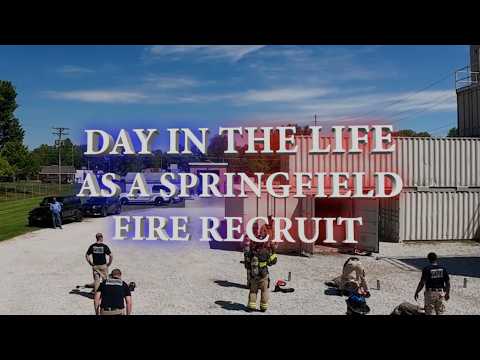
Springfield fire deputy outlines recruit academy expectations, emphasizes medical skills
Summary
Deputy Division Chief Mike Flynn described the Springfield Fire Department’s recruit academy, stressing squad accountability, physical fitness and growing emphasis on emergency medical training as duties shift from fires to medical calls.
Mike Flynn, deputy division chief in Springfield’s training division, said the city’s recruit academy is designed to build teamwork, stamina and medical skills for future firefighters.
Flynn told attendees the department looks for ‘‘self-motivated’’ candidates who can work closely within squads, arrive for 5:30 a.m. physical training and rely on each other ‘‘because you can't leave anybody behind.’’ He said recruits train on the same engines, hoses and rigs used by Springfield crews to ensure academy work mirrors operational duties.
The department also requires clinical medical experience: recruits receive time on ambulances and in hospitals to practice emergency medical skills. Flynn said the department responds to fewer structure fires and more medical emergencies now, and recommended that prospective firefighters obtain EMS certifications or even nursing coursework to strengthen their candidacy.
Flynn described academy life as demanding, with long days of classroom study and practical drills. He said recruits must study outside of class, prepare for the following morning and commit to rigorous physical training. Drawing on a decade in the department's physical training program, Flynn said he has seen more sedentary applicants and urged candidates to be ‘‘in shape’’ before joining.
He framed training as both instructional and paternal: trainers may be ‘‘firm or stern’’ but are invested in recruits’ long-term success, noting many firefighters reach 20-year careers more quickly than they expect and trainers take pride in their graduates.
No formal votes or actions were recorded during the presentation.