Get Full Government Meeting Transcripts, Videos, & Alerts Forever!
Get email alerts on the Behavioral Health Peer Support topic
No spam. Unsubscribe anytime.
Douglas County highlights growth of peer-support workforce, outlines plan for clubhouse recovery center
Summary
County staff reported expansion of a Peer Fellows program that embeds people with lived experience into local behavioral-health services, outlined program metrics and funding (county stipend plus partner contributions), and described plans to pursue an accredited clubhouse recovery model supported by KADS lottery funding. Commissioners expressed support; the item was informational only.
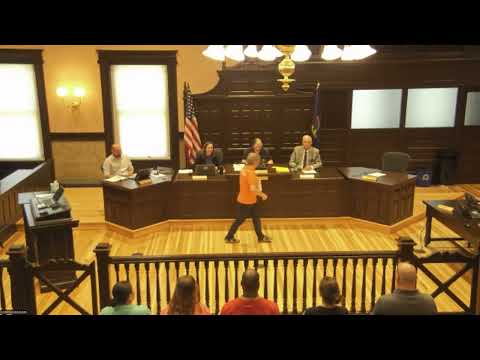
Douglas County staff on June 3 presented progress and next steps for a county-supported Peer Fellows program that trains and embeds people with lived experience into local behavioral-health services and emergency response settings. Bob Tryansky, director of behavioral health projects for Douglas County, told the commission the program has grown from five part-time peer specialists in 2017 to more than 35 peers currently working with local agencies and partners.
Tryansky said the county's model supplies a base stipend to partner agencies and helps them convert part-time fellowships into sustained employment. "Peer support and integration of lived experience really is the secret sauce of helping people to make progress," Tryansky said, describing efforts to place peers in hospital emergency departments and other front-line settings. The county provides a starting stipend of $15,000 to agencies to support a part-time position; agencies typically supplement that stipend to create full-time roles. Tryansky said peer wages have risen from about $12 an hour in early years to roughly $17—20 an hour in partner organizations.
The presentation included program metrics and outcomes. Tryansky reported 46 participants since the program launched in May 2019, more than 35 peers currently employed in the county, and an 86% rate of participants completing a year or more of service and moving to permanent employment. Participants typically receive 150 hours of professional development annually and accrue 750—2,000 hours of on-the-job experience during a fellowship year, according to the presentation.
Peers and partner-agency staff described day-to-day work and collaboration. "We can't do what we do without collaborating with other service partners," Eugene Kalper, a Family Promise peer specialist, said, stressing interagency coordination for clients who are homeless or in crisis. Rhysa Williams, a community health worker and certified peer specialist with Heartland RACK, described warm handoffs: assessing needs with screening tools, building rapport through shared experience, and connecting clients to treatment providers or social services.
County leaders also laid out a proposal to develop an accredited clubhouse recovery center co-located with Alive, Inc., a consumer-run organization. The clubhouse model uses a "work-ordered day" with units for culinary services, employment support, administration and other activities to give members daily routine, vocational opportunities and community integration. Tryansky said the county is in early-stage planning for a clubhouse headquarters and is exploring partnerships with existing Kansas clubhouses for incubation and training.
State funding and accreditation were central themes. Tryansky explained that the Kansas Department for Aging and Disability Services (KADS) expects new clubhouses to be accredited and to serve an average of 20 members a day within a year of initial funding; he said 25% of the state lottery fund is earmarked to support clubhouses (75% is used for crisis centers). Tryansky noted there is no state match requirement for KADS' lottery funds, but successful clubhouse launches typically leverage additional community resources and advisory support.
Commissioners asked about employer engagement and how the county will attract local business partners for supportive employment. Tryansky described early outreach to developers and community partners and said the county hopes to identify a local advisory group and potential headquarters as part of a longer budget and implementation process. Commissioners expressed support, requested site visits to existing clubhouses (Topeka's Lotus House was suggested), and said they would consider any future budget requests through the standard budget process.
Public comment included a request from Eric Hyde, who supported mental-health programming but urged attention to people with neurological conditions and cited traumatic brain injury and post-concussion syndrome as conditions he feels are often overlooked. Hyde also referenced a private provider (Minds Matter LLC) he believes could assist and said the chief operating officer of Bert Nash had apologized to him for prior treatment; no county response to that claim was recorded during the meeting.
The presentation was informational only; no formal action was taken on the Peer Fellows or clubhouse proposals during the June 3 meeting. Commissioners indicated interest in further follow-up, partnership building, and potential budget requests to support a clubhouse site and program expansion.