Get Full Government Meeting Transcripts, Videos, & Alerts Forever!
Get email alerts on the Child Welfare topic
No spam. Unsubscribe anytime.
Beltrami County staff warn Minnesota African‑American Family Preservation Act will increase casework, staffing needs and costs
Summary
Social services leaders told commissioners that the 2024 Minnesota African‑American Family Preservation Act (implementation begins Jan. 1, 2027) will expand training, data collection, case reviews and intensive "active efforts," likely increasing staff time and prompting a forthcoming county staffing and budget request.
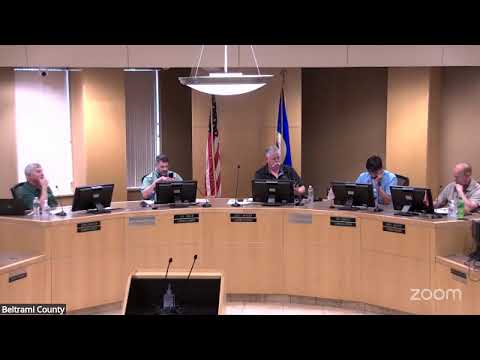
Jeff Lyn, Social Services Division Director, briefed commissioners on the Minnesota African‑American Family Preservation Child Welfare Disproportionality Act (enacted in 2024), saying statewide implementation phases in beginning Jan. 1, 2027 and that Beltrami County is represented on the statewide implementation work group.
Lyn and program manager Lisa Monzoud told the board the statute requires additional training for child‑protection staff, more extensive case reviews and substantially enhanced data collection. Monzoud said the act raises the standard of practice to require "active efforts" — work that goes beyond providing information to actively assisting families (for example providing bus passes, accompanying families to appointments, or helping with housing deposits).
Staff said the statutory definition used in the act is broad and may cover a very large share of local child‑welfare cases. County staff estimated about 100 open CHIPS (child in need of protection or services) cases are in court at any time, but emphasized that total prevention and voluntary services caseloads are larger and that the new requirements will increase per‑case staff time. Lyn and others warned the state’s initial implementation funding — $15 million statewide with a floor of $100,000 per county — will not cover all local costs, and that the county will include staffing requests in the upcoming budget cycle. A preliminary staffing ask described by staff was for three child‑protection investigation positions and a lead worker to handle increased workload.
Commissioners raised questions about how the state will monitor outcomes versus compliance and whether the county can measure long‑term success. Staff said the state will monitor compliance with statutory duties, but long‑term outcome monitoring (to measure reductions in placement or trauma) was not clearly defined at the time of the presentation. Staff proposed internal tracking (for example placement rates and quarterly monitoring already used for related performance metrics) as one way Beltrami County could demonstrate results over time.
No vote or formal county action was taken; staff said they will bring specific budget requests to the county budget process and will return with additional information on caseload estimates and the final county funding ask.