Get Full Government Meeting Transcripts, Videos, & Alerts Forever!
Get email alerts on the Dam Safety topic
No spam. Unsubscribe anytime.
Selectboard orders Mill Pond drained for state inspection after sinkhole discovery
Summary
Ossipee Town Selectboard voted to drain Mill Pond so state inspectors can assess a sinkhole and recommend repairs; prior engineering and emergency plans exist but funding for remediation is not currently available.
The Ossipee Town Selectboard voted to drain Mill Pond immediately so New Hampshire dam inspectors can perform a required inspection of a sinkhole and assess needed repairs.
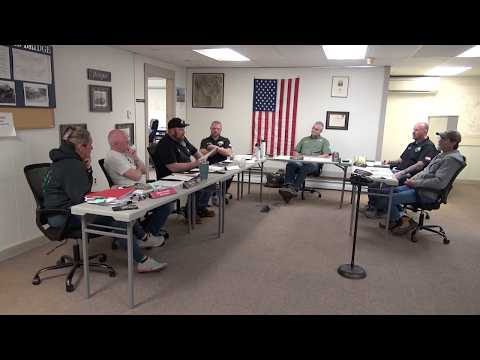
At the June meeting the board said state officials recently conducted a site inspection and requested the pond be emptied to allow examination of a sinkhole. "I motion that we drain the mill pond so that the state can do their inspection they're demanding," said Jim, who made the motion; Dallas seconded and the motion carried.
Town staff reviewed prior engineering work completed in 2020 and an emergency action plan that lists contacts for police, fire and other responders. The staff member noted the Danhole River dam is classified as a "significant risk," and that failure could flood three or four houses in the downstream inundation zone. The board emphasized taking safety precautions already implemented, including limiting access and posting signs.
Officials read statute language describing the state's enforcement authority, noting DES may levy fines up to $2,000 per violation per day if dam owners do not respond within 45 days of a written order. Board members said the town has limited money available for remediation: whether repairs can be done quickly through emergency means (for example, hydraulic cement) will depend on the outcome of the state inspection and whether emergency permits are granted.
Board members and staff said the drain will take a couple of days; the state will inspect once draining is underway and then advise on engineering, permitting and whether the pond may be refilled. The town plans to involve its engineer after the inspection. The board also noted community impacts beyond safety—residents on the pond, fishing events and recreational use are affected while the matter is addressed.
The board did not provide a timetable for repairs and said next steps will depend on the state's report and any engineering recommendations. The meeting record reflects the motion to drain and ensuing discussion; no formal remediation contract or funding appropriation was adopted at the meeting.
The board directed staff to coordinate with DES and the town engineer and to report back when the state inspection is complete and recommendations are known.