Get Full Government Meeting Transcripts, Videos, & Alerts Forever!
Get email alerts on the Customs Eo topic
No spam. Unsubscribe anytime.
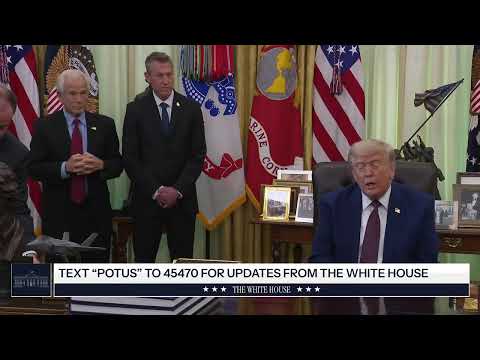
Administration unveils customs enforcement executive order and workforce reforms at White House event
Summary
Officials introduced an executive order aimed at strengthening customs enforcement and a separate order to reform accountability for federal policy-making staff; presenters said the customs measures will tighten data collection and hold importers accountable, and an administration adviser estimated sizable first-year savings.
The administration used a White House event to announce an executive order to bolster customs enforcement and a separate executive order aimed at federal workforce discipline and accountability. Rodney Scott, introduced by the President, described the customs action as "America first in the trade environment" and said it will increase data on imports and use existing rules to hold importers accountable for tariff evasion and contraband.
An adviser, Peter Navarro, said the measures would both protect U.S. businesses and reduce illicit imports, and he offered an estimate of financial impact: "the first year will be at least 15 billion, next year 25, and out there there's 80 to 100 billion that the tariff evaders are doing."
A separate presentation outlined a workforce-focused executive order designed to make policy-making positions easier to discipline or remove, treating some senior roles more like the private sector. The administration credited James Sherk of the Domestic Policy Council with conceiving the personnel reforms; a speaker identified as Will said the goal is to make the federal workforce "more accountable" and to speed removals in cases of serious misconduct.
What was announced and what was not: Officials described changes in enforcement approach and personnel rules but did not provide the full text of the executive orders, statutory citations, implementation schedules, or estimates of direct costs to agencies. The advisers framed the customs action as extending border-security principles to trade enforcement but did not identify specific legislative changes or named implementing regulations at the briefing.
Next steps: The President said the customs EO signing would send a message "to the world" and that the administration would make recommendations for legislation; officials said they expect to use increased data and enforcement to crack down on counterfeit goods, fentanyl, and tariff evasion.